If you are planning, purchasing, or modernizing a lift for industrial or commercial use, understanding freight elevator specifications is essential. This ultimate guide explains what to include in a spec, how to size your car and doors, which codes apply, and how to avoid costly mistakes—whether you run a warehouse, hospital, factory, hotel, or mixed-use building.
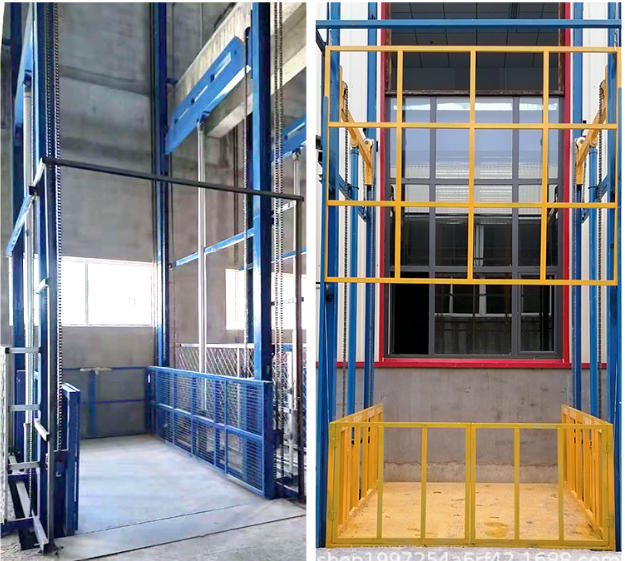
Table of Contents
What Are Freight Elevator Specifications?
Why Freight Elevator Specifications Matter
Core Freight Elevator Specifications Checklist
How to Write Freight Elevator Specifications (Step-by-Step)
Freight Elevator Dimensions and Capacity: Typical Ranges
Doors, Gates, and Loading Interfaces
Power, Controls, and Safety Features
Installation Requirements and Space Planning
Maintenance, Inspections, and Life-Cycle Considerations
What Are Freight Elevator Specifications?
Definition and Scope
Freight elevator specifications are the technical requirements that define how a goods lift must be designed, built, and installed to safely move materials, pallets, carts, and equipment. A complete spec covers dimensions, rated load capacity, speed, door type and width, loading class, hoistway and pit details, power and controls, environmental ratings, code compliance, and testing. Clear specs ensure that the elevator you buy fits your building, supports your operations, and passes inspections.
Types of Freight Elevators
Freight elevators (often called freight lifts or goods lifts) generally fall into three technology categories: traction (geared or gearless), hydraulic, and machine-room-less (MRL) traction. Traction elevators are preferred for taller buildings and higher duty cycles; hydraulic lifts are typically chosen for low-rise applications where speed and energy efficiency are less critical; MRL traction systems reduce space by integrating machinery into the hoistway. Your specifications should indicate the technology that best matches your building’s travel height, duty, and energy goals.
Loading Classes (A, B, C1, C2, C3)
Loading class affects floor design, door sills, speed control, and safety. In general terms: Class A covers distributed loads typical of pallets and hand trucks; Class B is for motor vehicle loading; Class C (with sub-classes C1, C2, C3) covers industrial truck/forklift interactions and concentrated loads. Your freight elevator specifications must identify the correct class so the car floor, thresholds, and structural components are engineered for real-world loading patterns. Confirm class definitions and design requirements with your local code and manufacturer.
Why Freight Elevator Specifications Matter
Safety and Code Compliance
Well-written specs reduce risk by aligning design with applicable codes such as ASME A17.1/CSA B44 (North America) or EN 81-20/50 (Europe), plus local building and electrical codes (IBC, NFPA 70/NEC). Defining safety systems—governors, brakes, door interlocks, emergency two-way communication, fire-service modes, and refuge spaces—ensures a compliant installation that protects workers and visitors.
Operational Efficiency
Accurate freight elevator dimensions, door width, and speed directly influence throughput. If your doors are too narrow for standard pallets or your car depth cannot accommodate long loads, you’ll face bottlenecks and manual rework. Specifications that match your material-handling equipment (pallet jacks, carts, forklifts) and layout improve cycle time and reduce labor costs.
Total Cost of Ownership
Specifications affect not only upfront price but also energy consumption, maintenance complexity, and modernization paths. Choosing hydraulic vs. traction, detailing energy-saving features, and specifying durable finishes and NEMA/IP-rated components for harsh environments can lower life-cycle costs. A precise spec prevents change orders and avoids expensive building modifications later.
Future-Proofing and Scalability
Facilities evolve. Writing scalable freight elevator specifications—such as reserving space for larger doors, adding spare capacity in the controller, and enabling remote monitoring—helps your lift adapt to new loads, higher throughput, or automation integration (WMS, MES, or building management systems) without major retrofits.
Core Freight Elevator Specifications Checklist
Use this checklist to build your freight elevator specifications and distribute long-tail requirements like “freight elevator dimensions,” “pit depth requirements,” and “industrial lift specifications” throughout your document.
- Rated Load Capacity: Define freight elevator weight capacity (e.g., 2,500 lb, 5,000 lb, 8,000 lb, 10,000 lb, or custom). Note concentrated loads and loading class.
- Car Interior Dimensions: State clear floor width, depth, and height. Include rail-to-rail width and clear door opening height for “freight elevator dimensions.”
- Door Configuration and Size: Center-opening, single-slide, or bi-parting vertical doors; specify door clear width (e.g., 6 ft, 8 ft, 10 ft) and height to suit pallets and carts.
- Speed and Performance: Typical freight speeds range from 50–150 fpm; specify acceleration/deceleration profiles to protect fragile loads.
- Stops and Travel: Number of landings, total travel height, and floor-to-floor distances; note overhead clearance and pit depth requirements explicitly.
- Technology: Traction vs hydraulic vs MRL; specify machine-room location or MRL constraints and power/heat load considerations.
- Hoistway and Structural: Shaft dimensions, guide rail support, hoist beams, wall materials, and tolerances; call out seismic zone and wall/floor load ratings.
- Pit and Overhead: Pit depth (e.g., 4–6 ft typical for traction; shall be per manufacturer), sump pump, pit ladder and lighting, buffers; overhead (top-clearance) per code.
- Electrical: Voltage and phase (e.g., 208/230/460V 3-phase), dedicated feeders, disconnects, separate lighting circuits, emergency power interface, NFPA 70/NEC compliance.
- Controls and Signals: Car operating panel (COP), hall stations, annunciators, car and hall position indicators, load weighing, anti-nuisance features, and access control.
- Safety Systems: Overspeed governor, safeties, door interlocks, slack-rope switch, emergency communication, fire service (Phase I/II), battery lowering (if hydraulic), and rescue access.
- Environmental Ratings: NEMA or IP ratings for dusty/wet/corrosive environments; temperature and humidity range; explosion-proof options for hazardous locations if required.
- Finishes and Durability: Car walls (steel, stainless, impact panels), floors (checkered plate, nonslip), handrails, door protection, and recessed lighting protected from impact.
- Integration and Monitoring: Remote diagnostics, IoT telemetry, BMS integration (BACnet/Modbus), access control with card readers or key switches.
- Documentation: Shop drawings, wiring diagrams, O&M manuals, test certificates, and warranty terms; include “freight elevator specification template” references if available.
- Testing: Category 1 and 5 tests (per ASME A17.1), fire service testing, load testing, and acceptance protocol with the Authority Having Jurisdiction (AHJ).
How to Write Freight Elevator Specifications (Step-by-Step)
1) Gather Stakeholder Requirements
Interview operations, safety, facilities, and logistics teams. Document maximum pallet size, typical load weights, cart widths, and floor usage patterns. Capture uptime target, cycle rate, and any special requirements such as “extra-wide door for 96-inch loads,” “low-speed mode for fragile instrumentation,” or “NEMA 4 components for washdown.”
2) Survey Building and Site Conditions
Measure existing hoistway, pit depth, overhead clearance, and machine-room availability. Verify electrical service (voltage/phase), structural capacity for hoist beams, and floor slab reinforcement. Note proximity to docks, truck bays, and material flow lines to keep travel paths efficient.
3) Select the Right Technology
Choose hydraulic for low-rise, heavy, slower applications with simpler infrastructure, or traction/MRL for higher travel and better energy efficiency at scale. If your long-tail requirement emphasizes “freight elevator energy efficiency,” consider gearless traction with regenerative drives and LED lighting.
4) Define Performance Metrics
Specify rated capacity, speed, accelerations, door dwell times, and dispatch logic. Clarify duty cycle (cycles per hour) and peak traffic periods. For “industrial lift specifications,” include vibration limits and shock protection if sensitive equipment is transported.
5) Codify Safety and Compliance
List applicable codes: ASME A17.1/CSA B44 or EN 81-20/50, IBC, NFPA 70/NEC, local fire codes, and ADA considerations where applicable (e.g., communication and controls height if passengers may ride). Include loading class, fire service modes, and any shunt-trip requirements if sprinklers exist in the hoistway or machine room.
6) Draft the Specification and Drawings
Write the technical sections and coordinate architectural and structural drawings: hoistway plan and section, pit details, machine-room layout, door heights and widths, and clearances around controllers. Use consistent terminology such as “clear door opening” and “rail centerline width” to avoid misinterpretation.
7) Bid, Evaluate Submittals, and Approve Shop Drawings
Issue the bid package with your freight elevator specification template, then evaluate vendors on compliance, lead time, life-cycle cost, and service coverage. Review submittals carefully: confirm door widths, pit/overhead, power, and control locations. Approve shop drawings only when all dimensions match field conditions.
8) Commissioning and Acceptance Testing
Plan for load tests, safety function tests, fire-service checks, and ride quality verification. Include operator training, spare parts lists, and preventive maintenance schedules in your acceptance criteria. Document final settings for speed and door dwell times for auditability.
Freight Elevator Dimensions and Capacity: Typical Ranges
While every installation is unique, there are common ranges used in freight elevator specifications. Always verify with your manufacturer and local code officials before finalizing.
Rated Capacity: Typical standard models range from 2,500 lb to 10,000 lb, with custom solutions exceeding 15,000 lb. Larger capacity implies heavier structural elements, larger motors, and potentially wider doors.
Car Size: Common interior footprints span roughly 5–8 ft in width and 7–12 ft in depth, with car heights between 8–12 ft. If you handle oversized or long loads, prioritize depth and door width over height.
Door Width and Height: Clear opening widths often range from 4–10 ft, with heights around 7–10 ft. Center-opening doors deliver faster operation; bi-parting vertical doors can accommodate larger openings in industrial settings.
Speed: Typical freight speeds run 50–150 feet per minute (fpm), balancing throughput with safe handling. Heavier capacities and loading classes may favor lower speeds to reduce floor impact.
Pit and Overhead: Pit depth and overhead clearance vary by technology and capacity. Traction systems usually require deeper pits and more overhead; hydraulic may need less. Your spec should cite minimums per manufacturer and code, especially for buffer travel and top refuge space.
Doors, Gates, and Loading Interfaces
Door design is central to efficient material flow. Options include center-opening sliding doors for speed, single-slide for space-constrained shafts, and bi-parting vertical doors for very wide openings. Collapsible car gates or rugged impact panels can protect door equipment in tough environments.
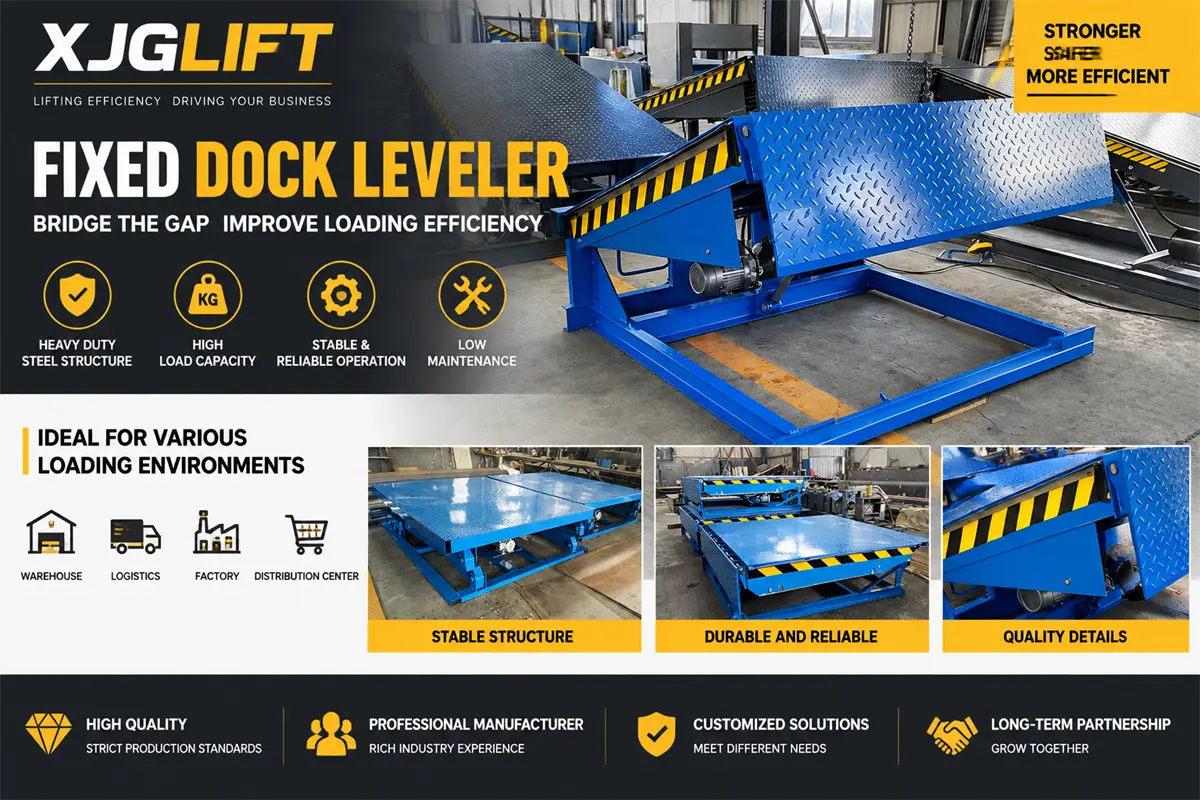
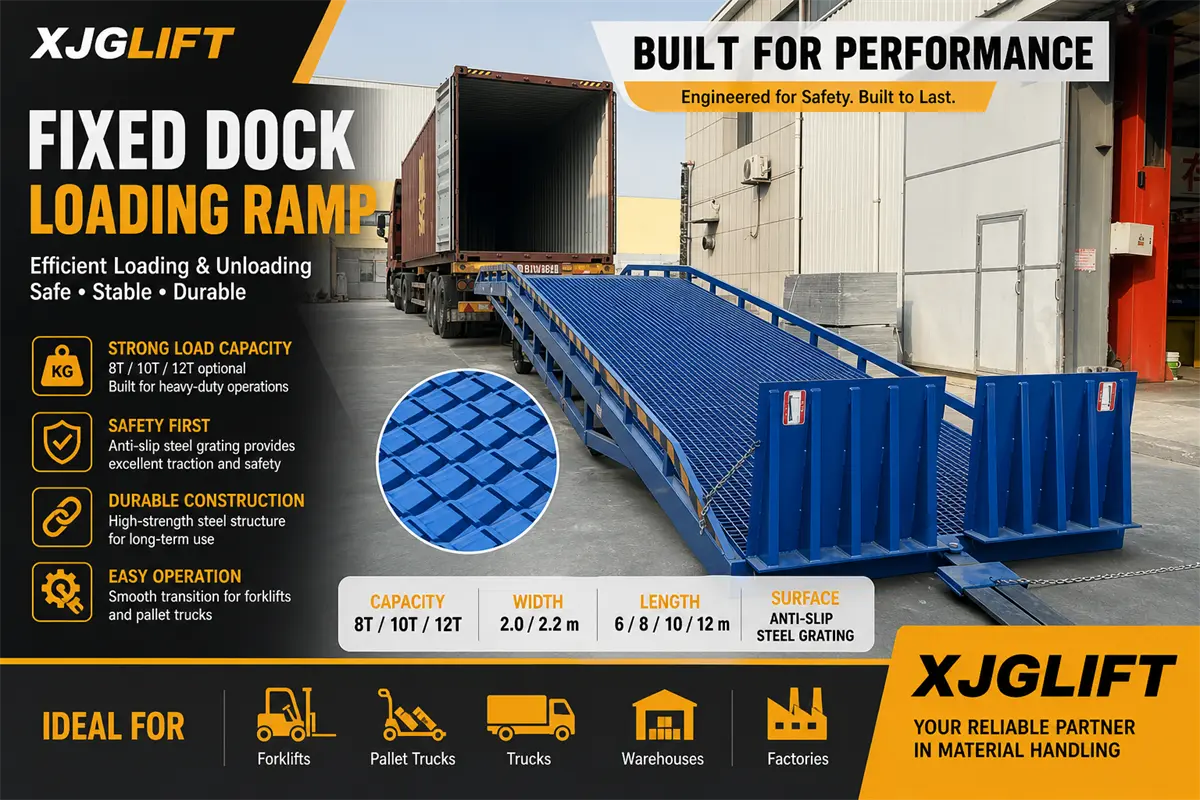
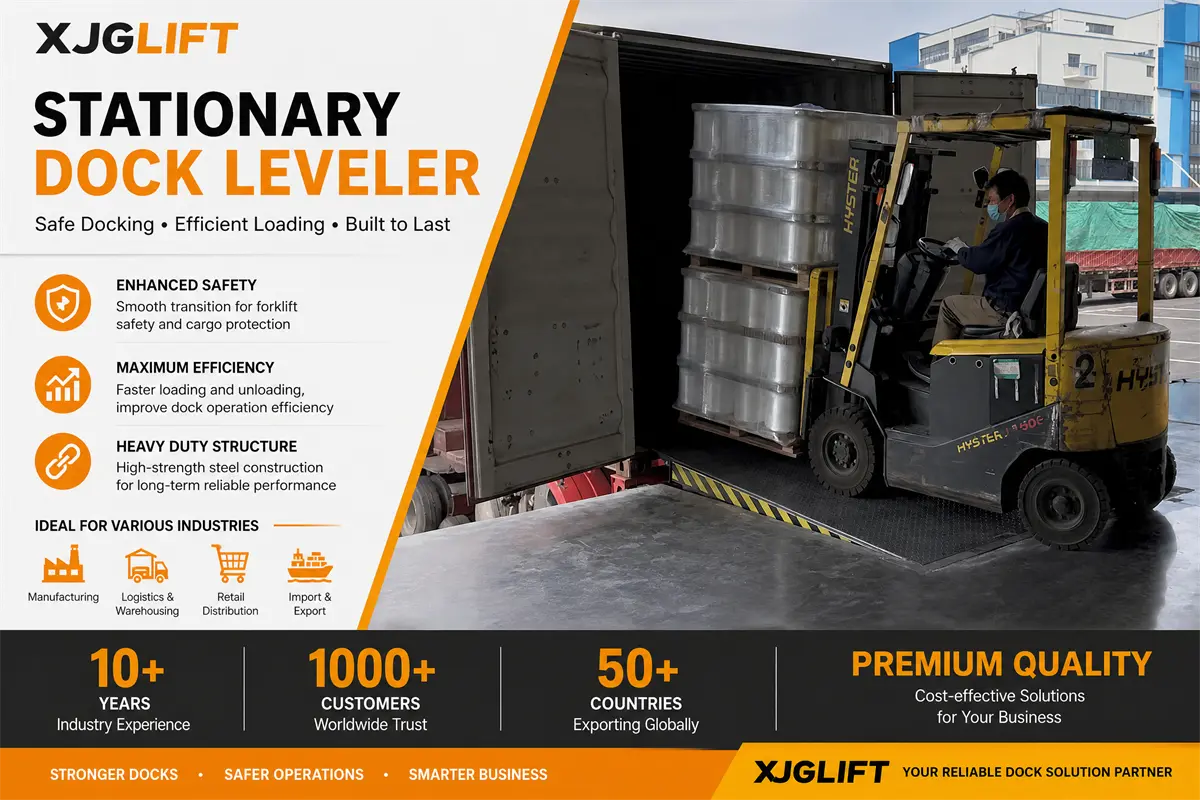
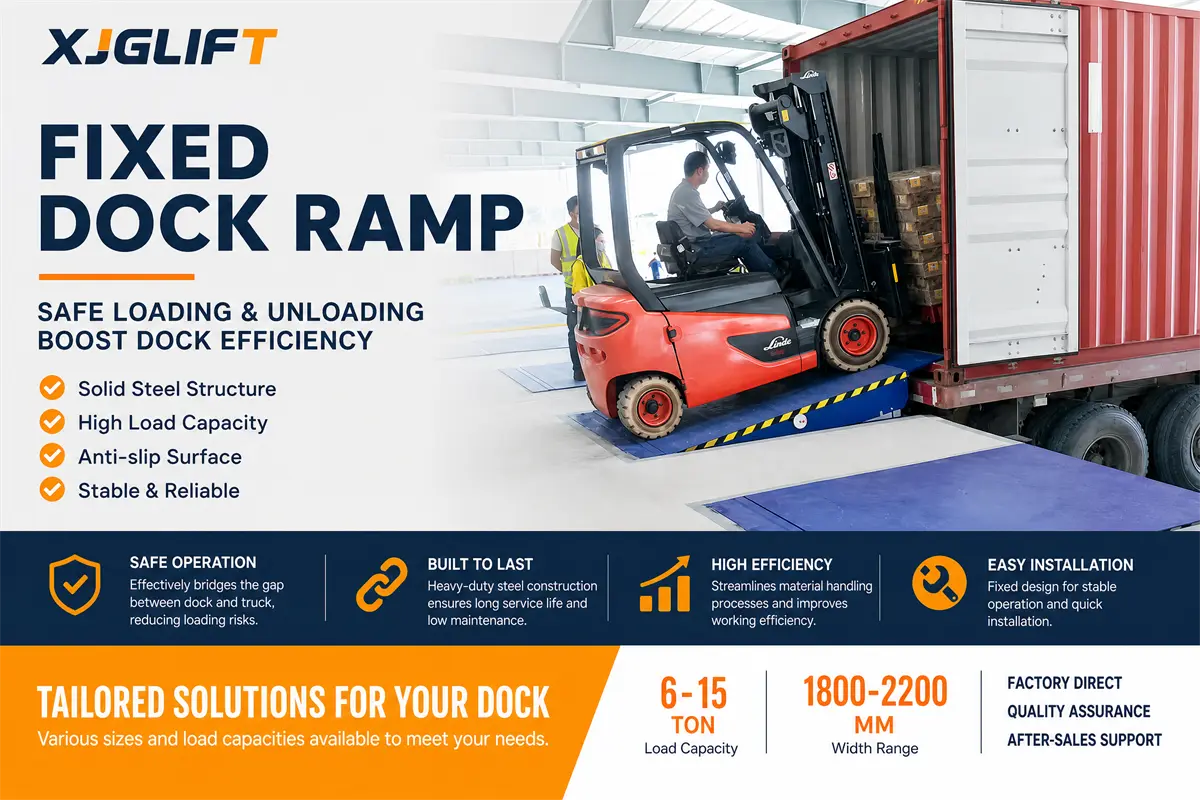
For “industrial elevator door sizes,” match the clear width to your largest pallet or cart plus maneuvering clearance. Consider sill design, threshold reinforcement, and door protection bumpers. If forklifts interface with the car (Class C), ensure sills and floors are engineered for point loads and wheel impacts.
Integrations like dock-level alignment, truck-height consideration, and floor protection (diamond plate) help avoid operational damage. Where pallet jacks are common, specify non-slip flooring and adequate lighting to improve safety.
Power, Controls, and Safety Features
Electrical Requirements
Specify service voltage (e.g., 208/230/460V, 3-phase), dedicated feeders, and disconnect positions. Follow NFPA 70/NEC and local requirements for grounding, GFCI where needed, and selective coordination. Plan for emergency/standby power if your operations require continued service during outages.
Controls and User Interface
Freight systems typically use vandal-resistant car operating panels, robust hall stations, and clear annunciators. If operators wear gloves, select larger, illuminated buttons. For “industrial lift specifications,” consider NEMA 4/IP-rated enclosures to resist dust, moisture, and corrosive environments. Add access control (keys, cards, PINs) to limit use.
Safety Systems and Fire Service
Core safety features include overspeed governors, safeties, door interlocks, slack-rope switches, buffers, pit ladders, and refuge spaces. Fire-service operation (Phase I recall and Phase II in-car control) must be specified where required by local codes. If sprinklers are present in the hoistway or machine room, include compatible heat detection and shunt-trip provisions per AHJ guidance.
Monitoring and Diagnostics
Modern freight elevators can transmit telemetry for fault codes, ride counts, and predictive maintenance. Specify network protocols (BACnet, Modbus, or secure cloud APIs) and cybersecurity expectations. Remote monitoring reduces downtime and supports data-driven maintenance.
Installation Requirements and Space Planning
Hoistway Construction
Define shaft dimensions, plumbness tolerances, and wall materials (concrete, CMU, or steel framing). Include hoist beams and rail supports sized to vendor requirements. Coordinate with structural engineers for bearing loads and embed plates. Provide adequate access and lighting for installation and future service.
Pit, Overhead, and Machine Room
Detail pit depth, sump pumps, drains, waterproofing, pit ladders, and access doors. Overhead must meet minimum refuge space and top-clearance requirements. Specify machine room dimensions (if not MRL), equipment layout, HVAC/ventilation, and environmental controls for heat load and dust.
Environmental and Hazard Considerations
In corrosive, wet, or explosive environments, call out materials, coatings, and ratings (stainless steel, epoxy-coated frames, NEMA/IP enclosures, and hazardous location compliance like Class I Div 2 where applicable). Confirm local regulations and manufacturer approvals for any special environment.
Maintenance, Inspections, and Life-Cycle Considerations
Preventive Maintenance
Include a preventive maintenance schedule with lubrication, adjustments, door gear servicing, and routine inspections. Define response times, spare parts availability, and 24/7 service expectations. For mission-critical lifts, require remote fault notifications.
Testing and Compliance Over Time
Reference periodic inspections and tests (e.g., Category 1 yearly and Category 5 five-year tests per ASME A17.1, subject to jurisdiction). Keep documentation current and accessible. Track ride counts and component wear for proactive replacements.
Modernization Pathways
Future upgrades may include new controllers, drive systems, LED lighting, door operators, and IoT monitoring. Design the spec so modernization can occur with minimal structural work—e.g., reserve panel space and conduit for added components.
Cost Factors and Budgeting
Budget depends on capacity, car size, door width, technology, number of stops, and environmental requirements. Installation complexity, hoistway construction, pit depth, overhead clearance, and machine-room buildout can drive cost significantly. Consider life-cycle expenses: energy usage, parts, scheduled maintenance, and downtime risk. Obtain multiple bids and compare not just price but warranty terms and service coverage.
Compliance and Standards
Identify the governing code set early. In North America, ASME A17.1/CSA B44 is standard; electrical falls under NFPA 70/NEC; building and fire codes under IBC and local AHJ. In Europe, EN 81-20/50 and national regulations apply; ISO 8100 may be referenced. Accessibility requirements can affect controls and communication; confirm with local regulations if passengers may ride. When in doubt, consult your AHJ and manufacturer to align your freight elevator specifications with current amendments.
Common Mistakes to Avoid
Under-sizing capacity or door width leads to operational bottlenecks. Ignoring pit depth and overhead clearance causes redesigns and delays. Overlooking loading class results in floor damage or unsafe forklift interactions. Failing to verify electrical service, ventilation, and environmental ratings causes downtime. Not coordinating shop drawings with existing dimensions triggers costly change orders. Build rigorous reviews into your process to prevent these issues.
FAQ: People Also Ask
What is the standard freight elevator size?
There is no single “standard,” but common freight elevator dimensions include car widths of 5–8 ft, depths of 7–12 ft, and heights of 8–12 ft, with door widths of 4–10 ft. Always size to your largest load plus maneuvering clearance and verify with manufacturer and local code.
How much weight can a freight elevator carry?
Typical rated capacities range from 2,500 lb to 10,000 lb, with custom builds available for higher loads. Your freight elevator weight capacity should reflect peak load scenarios, loading class, and floor strength. It’s better to plan for growth with a margin than to risk chronic overload.
What is the difference between a freight elevator and a passenger elevator?
Freight elevators are engineered for materials, with larger doors, impact-resistant finishes, and floors designed for industrial loads. Passenger elevators prioritize ride comfort and aesthetics. Codes and controls differ, especially for loading classes and door equipment. Some freight elevators can carry attendants or passengers when designed and permitted accordingly.
Do freight elevators require a machine room?
It depends on the technology. Traditional traction and hydraulic elevators usually need a machine room; MRL traction integrates machinery into the hoistway to save space. Your specifications should state machine-room requirements or MRL constraints and address ventilation and service clearances.
Are freight elevators ADA compliant?
If the elevator will carry passengers, controls, communication, and clearances may need to follow accessibility rules set by local regulations (e.g., ADA-related requirements in the U.S.). Purely goods-only systems still must meet safety codes, but accessibility rules vary. Confirm with your AHJ.
Conclusion
The right freight elevator specifications anchor your project to safe, efficient, and compliant outcomes. Define capacity, dimensions, door widths, loading class, pit and overhead, power, controls, and environmental ratings with clarity. Align with ASME/EN codes and local AHJ requirements, and plan for maintenance and modernization. With a complete, well-coordinated spec, you’ll avoid delays, reduce life-cycle costs, and keep materials moving smoothly across your operation.
Looking to draft or review freight elevator specifications for your facility? Contact our team for a compliant, cost-effective design that fits your building and your business.