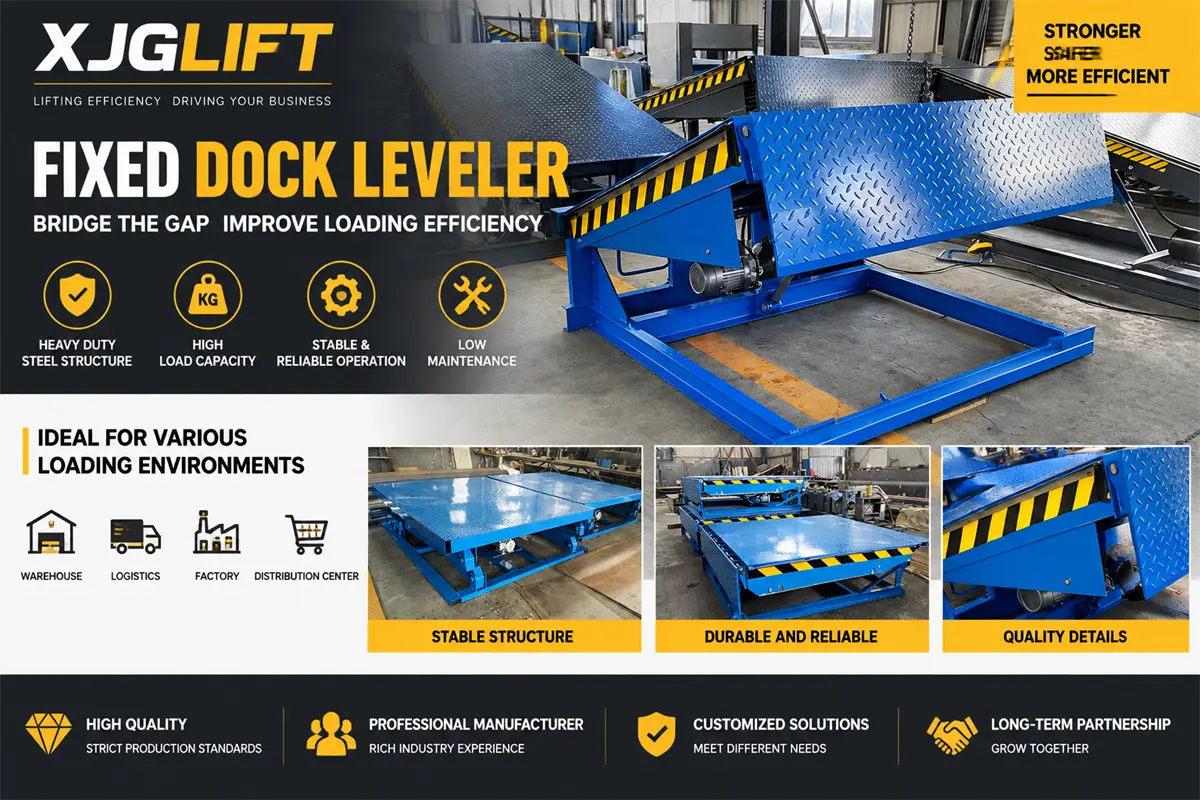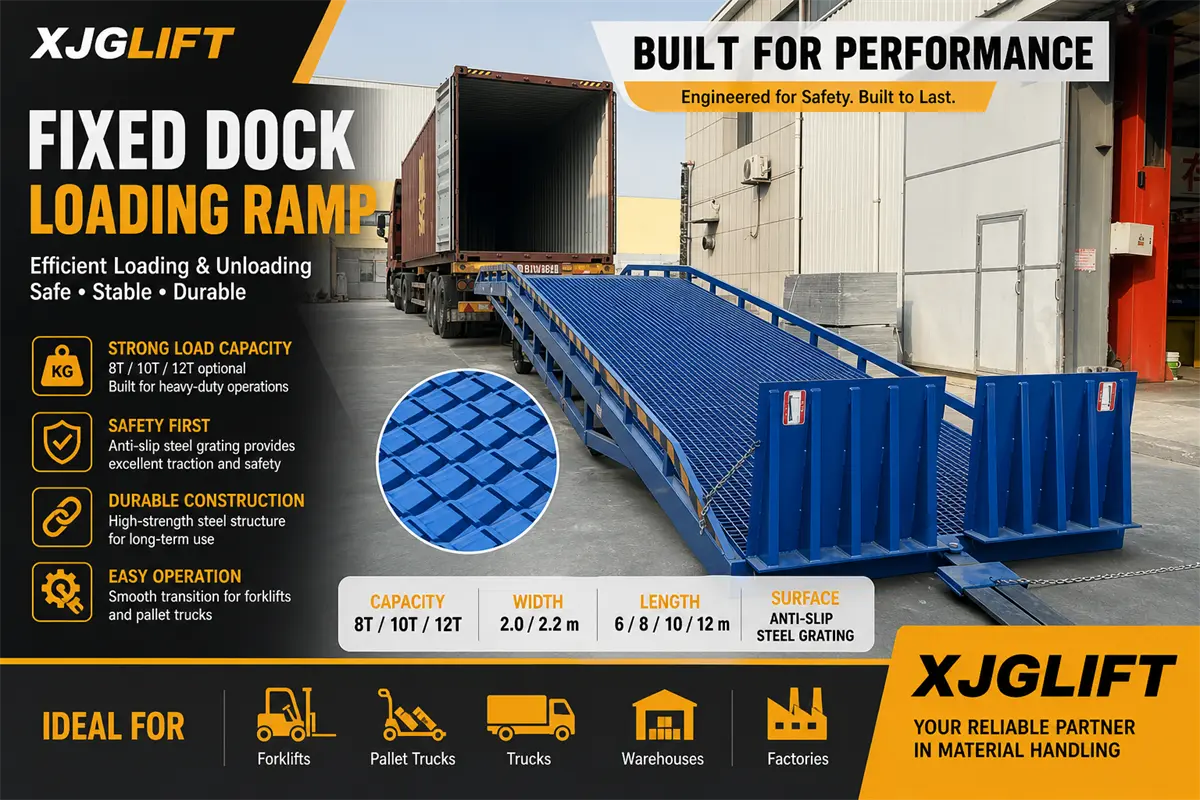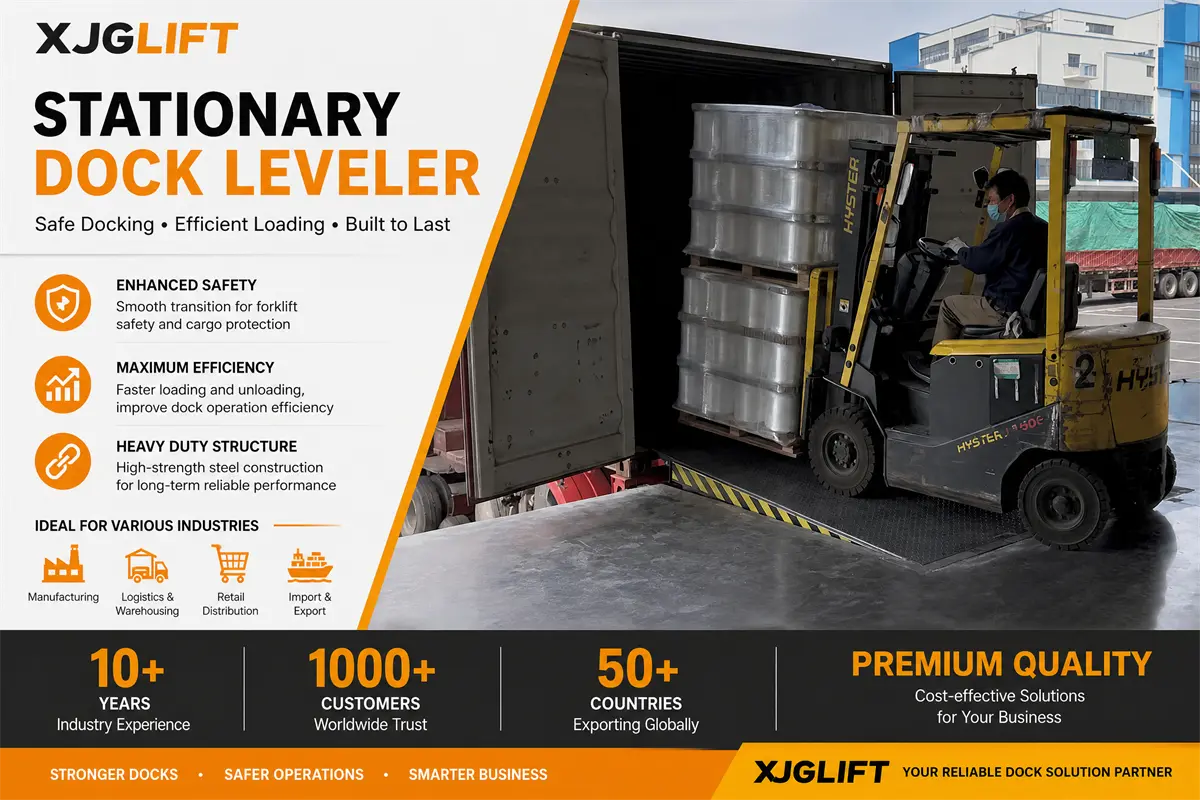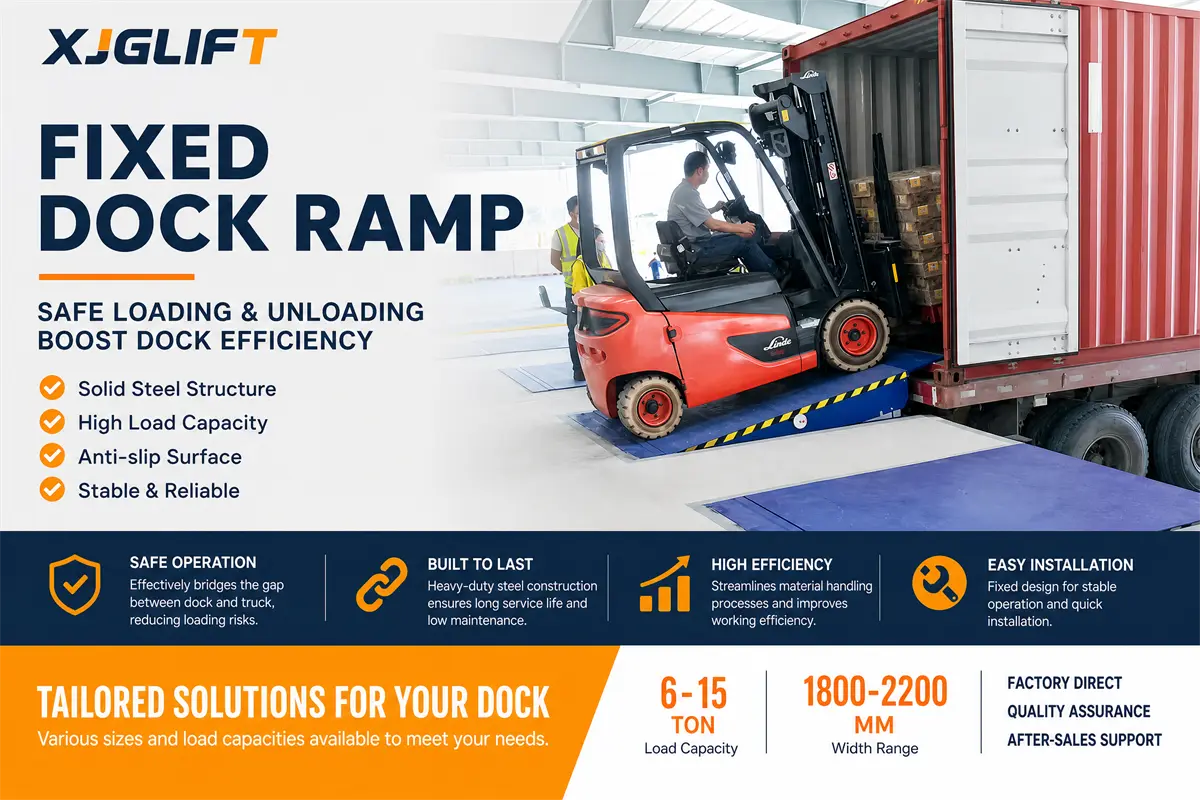
A hydraulic freight elevator is the workhorse of warehouses, factories, and logistics hubs that need safe, efficient vertical transport for pallets, crates, and heavy equipment. In this ultimate guide, you will learn what a hydraulic freight elevator is, why it outperforms other options for low-rise heavy-duty applications, how to select the right model, the installation process, maintenance best practices, costs, safety, and expert answers to common questions.
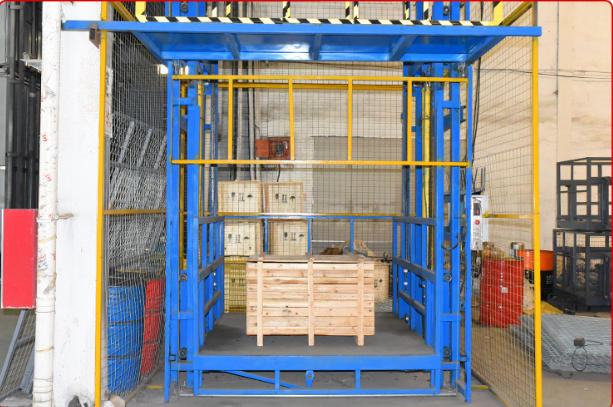
Table of Contents
- What Is a Hydraulic Freight Elevator?
- Why Choose a Hydraulic Freight Elevator?
- Hydraulic Freight Elevator Specifications and Options
- How to Choose the Right Model
- How to Install a Hydraulic Freight Elevator
- Hydraulic Freight Elevator Maintenance
- Safety Features and Compliance
- Applications and Real-World Use Cases
- Hydraulic vs Traction Freight Elevators vs Scissor Lifts
- Hydraulic Freight Elevator Costs, Lead Times, and ROI
- Common Mistakes to Avoid
- Hydraulic Freight Elevator FAQs
- Conclusion
What Is a Hydraulic Freight Elevator?
A hydraulic freight elevator (also called a hydraulic cargo lift, warehouse goods elevator, or industrial goods lift) is a machine designed to move materials—not people—between floors inside a shaft or hoistway. It uses pressurized hydraulic fluid to raise and lower a heavy-duty platform or car along guide rails, making it ideal for pallets, trolleys, and even forklift entry where permitted.
How the Hydraulic System Works
At the heart of a hydraulic freight elevator is a power unit comprising an electric motor, pump, and oil reservoir. When the elevator ascends, the pump forces hydraulic fluid into a cylinder to extend a piston (ram) that pushes the car upward directly or via a roped arrangement. Descent is controlled by precision valves that let fluid return to the reservoir, providing smooth, controlled lowering. Modern systems often use soft-start drives to reduce inrush current and improve energy efficiency, and the power unit can be located in a compact cabinet or dedicated machine room depending on the site layout.
Core Components
- Power unit: motor, pump, reservoir, and valve block that generate and control hydraulic pressure.
- Hydraulic cylinder(s) and piston: direct-acting or roped configurations to handle various travels and capacities.
- Car frame and platform: reinforced structure with checker plate or forklift-rated floor for industrial duty.
- Guide rails and brackets: ensure stable, aligned travel under heavy loads and off-center loading.
- Controls and controller: microprocessor or PLC-based logic, call/send stations, and safety circuits.
- Doors and gates: manual swing doors, vertical bi-parting doors, or sliding freight doors with interlocks.
- Safety devices: rupture valves, overspeed/flow controls, buffers, toe guards, and emergency lowering.
Why Choose a Hydraulic Freight Elevator?
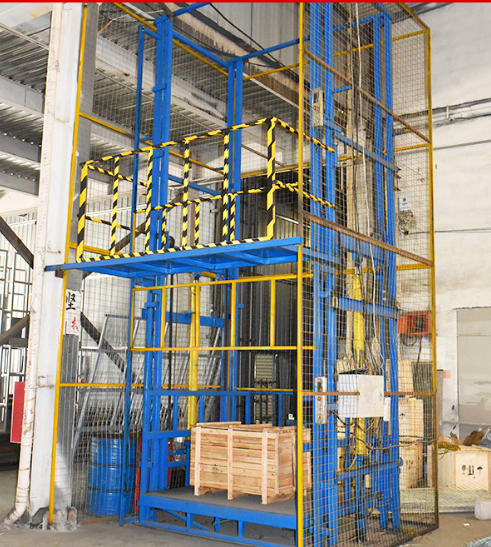
For low-rise, heavy-duty applications, a hydraulic freight elevator delivers outstanding value. It excels in warehouses, distribution centers, manufacturing plants, retail back-of-house areas, and mezzanine access where robustness, payload, and flexibility matter more than high-speed travel.
Key Benefits for Warehouses and Factories
- High capacity and robustness: typical capacities from 1,000 kg to 10,000+ kg, with custom heavy-duty options available.
- Optimized for low-rise: ideal for 2–5 stops, short travel heights, and frequent start/stop cycles.
- Pitless and retrofit-friendly: pitless freight elevator designs or shallow pits minimize civil work and enable retrofits.
- Flexible layouts: machine-room or cabinetized power unit, pass-through car configurations, and wide door openings.
- Cost-effective ownership: simpler mechanics than traction systems, generally lower first costs, and straightforward maintenance.
- Smooth load handling: hydraulic systems provide strong starting torque and gentle acceleration for fragile or unstable loads.
When Not to Choose Hydraulic
If you require high-rise performance, long travel, or very high duty cycles, a traction freight elevator may be more suitable. Additionally, where environmental policies restrict oil usage, consider eco-friendly hydraulic fluids, drip trays, or alternative drive technologies. Consult your local authority and a qualified supplier to match the system to your use case.
Hydraulic Freight Elevator Specifications and Options
Choosing the right hydraulic freight elevator starts with understanding the key specifications and features. Below are typical ranges and options found in industrial freight lifts and warehouse goods elevators, including specialized configurations like outdoor hydraulic cargo lifts and explosion-proof freight elevators for hazardous environments.
Typical Performance Ranges
- Capacity: common standard ranges from 1,000–10,000 kg; custom builds can exceed 20,000 kg.
- Travel height: often 1–12 m for low-rise buildings; custom solutions may extend higher depending on code and design.
- Speed: typically 0.1–0.5 m/s for hydraulic freight lifts, prioritizing smooth handling over high speed.
- Stops: 2–5 stops are most common in warehouses, mezzanines, and loading docks.
- Duty cycle: varies by model and motor sizing; confirm starts-per-hour and cooling requirements with the manufacturer.
Car Sizes and Door Configurations
- Car sizes: customized to pallet dimensions, roll cages, or equipment footprints; oversized freight elevator cars available.
- Door types: vertical bi-parting freight doors, side-sliding doors, or manual swing doors for smaller goods lifts.
- Loading patterns: single-side or pass-through (front and rear) to streamline material flow and safety.
- Flooring and liners: checker plate, forklift-rated floors, stainless steel liners, and impact-resistant bumpers.
Pit, Headroom, and Shaft Requirements
One advantage of hydraulic systems is their adaptability to site constraints. Many models offer shallow pits or even pitless designs, which is valuable for retrofit projects. Headroom requirements depend on door type and travel. Always consult manufacturer drawings and local codes because dimensions vary. Some systems are offered with self-supporting modular shafts to simplify construction and reduce coordination across trades.
Power and Controls
- Power supply: three-phase 380–480 V is common; some smaller hydraulic cargo lifts can use single-phase power.
- Drives and efficiency: soft-start/VFD options lower starting current and reduce wear; standby modes conserve energy.
- Controls: robust call/send stations, key switches, access control, and optional remote monitoring for predictive maintenance.
- Interface: integration with warehouse management systems (WMS) or building management systems (BMS) on request.
Environmental and Special Options
- Outdoor packages: galvanized or stainless steel finishes, IP-rated enclosures, canopies, and heaters for cold climates.
- Hazardous area: explosion-proof or ATEX-certified freight elevators for petrochemical, paint, or dust-prone environments.
- Hygienic builds: food-grade materials and cleanroom-compatible seals for pharma and food processing.
- Noise and vibration: remote power unit placement, isolation mounts, and acoustic enclosures.
How to Choose the Right Hydraulic Freight Elevator
Selecting the best model requires a clear understanding of your loads, workflow, space constraints, and compliance requirements. Use the following steps as a practical guide or “freight elevator capacity and dimensions checklist.”
Sizing Steps
- Define the heaviest load and handling equipment: include pallet weight, product, pallet jack or forklift weight, and safety margin.
- Map car size and door clearance: ensure door width, car depth, and turning radius fit your pallets, racks, or machinery.
- Confirm travel and stops: measure floor-to-floor height, specify landing elevations, and determine pass-through needs.
- Assess site constraints: pit depth availability, headroom, shaft footprint, and any structural limitations.
- Consider environment: indoor vs. outdoor, washdown, corrosive or dusty atmospheres, and temperature extremes.
- Verify power supply: available voltage, phase, and electrical room or cabinet space for the power unit.
- Check compliance: applicable codes, permits, inspections, and whether passenger accompaniment is permitted.
Vendor Selection Checklist
- Proven references: ask for similar project case studies in your industry (e-commerce, cold storage, automotive, etc.).
- Engineering support: shop drawings, structural coordination, and clear pit/headroom data.
- After-sales service: local technicians, spare parts availability, and 24/7 support options.
- Warranty and TCO: look beyond purchase price to installation, energy use, and maintenance over the life cycle.
- Lead times: standard sizes ship faster; customized hydraulic freight elevator builds require longer fabrication windows.
How to Install a Hydraulic Freight Elevator
Freight elevator installation is a coordinated project across civil, structural, electrical, and mechanical trades. Understanding the sequence helps minimize delays and change orders.
Step-by-Step Installation Overview
- Site survey and submittals: finalize dimensions, loads, pit details, and power requirements; obtain permit approvals.
- Civil works: construct the pit or prepare for pitless installation, erect the shaft or modular structure, and form door openings.
- Delivery and staging: schedule equipment arrival, allocate secure staging areas, and verify lifting equipment access.
- Mechanical installation: set guide rails, mount the cylinder(s), install the car frame/platform, and align components.
- Hydraulic piping: run pressure lines between the power unit and cylinder, leak-test, and commission the hydraulic circuit.
- Electrical and controls: wire the controller, landings, interlocks, and safety circuits; integrate with fire alarm if applicable.
- Door systems: install freight doors or gates, verify interlock function, and adjust for smooth operation.
- Testing and inspection: perform functional checks, conduct rated load tests, and pass jurisdictional inspections.
Timeline and Project Management
Lead times vary by region and customization. Standard hydraulic cargo lifts may ship in weeks, while bespoke heavy-duty models can take several months. On-site installation typically takes from a few days for compact pitless goods lifts to several weeks for large enclosed freight elevators. Early coordination with the local authority having jurisdiction (AHJ) and your installer helps ensure a predictable schedule.
Hydraulic Freight Elevator Maintenance
Preventive maintenance keeps your freight elevator safe, reliable, and code-compliant. A well-maintained unit minimizes downtime and extends service life, especially under demanding industrial use.
Preventive Maintenance Checklist
- Monthly: clean the pit and car, check for oil leaks, inspect door operation, verify indicators and alarms.
- Quarterly: check oil level and condition, test valve response, tighten fasteners, and verify interlocks and safeties.
- Semi-annual/annual: perform full inspection, load test per code, replace filters/seals as needed, and review controller logs.
- Recordkeeping: maintain service logs, inspection reports, and parts history for compliance and troubleshooting.
Troubleshooting Common Issues
- Slow or uneven travel: may indicate valve adjustment needs, filter clogging, or motor/pump wear; call a certified technician.
- Car drift at landing: check control valve sealing, cylinder condition, and interlock alignment.
- Overheating: verify duty cycle, oil cooler performance, and ambient ventilation around the power unit.
- Noise or vibration: inspect mounts, pump, and alignment; ensure the power unit is isolated from occupied areas.
Extending Service Life
Plan modernization at mid-life with upgrades such as high-efficiency motors, soft-start drives, LED lighting, enhanced door operators, and remote monitoring. Proactive modernization reduces energy use and elevates reliability without replacing the entire system.
Safety Features and Compliance for Hydraulic Freight Elevators
Freight elevators must meet stringent safety standards. In North America, ASME A17.1/CSA B44 governs elevators, while the EU commonly references EN 81 standards (for example, EN 81-20/50) and EN 81-31 for goods-only lifts, with additional requirements via the Machinery Directive. Always confirm local regulations and inspection protocols for your jurisdiction.
Critical Safety Components
- Rupture valve and overspeed protection: prevent uncontrolled descent in case of a hydraulic line failure.
- Door interlocks: keep doors locked unless the car is present and stationary at the landing.
- Emergency systems: emergency stop, alarm, and manual lowering function for controlled descent during power loss.
- Buffers and toe guards: protect equipment and personnel at the pit and threshold areas.
Operational Best Practices
- Load safely: do not exceed rated capacity; distribute weight evenly; secure unstable loads before travel.
- Access control: restrict unauthorized use, post signage, and train staff on safe operating procedures.
- Maintenance discipline: adhere to service intervals, lockout/tagout during repairs, and keep the shaft area clear.
Applications and Real-World Use Cases
Hydraulic freight elevators support a wide range of industries. Warehouses and 3PLs move pallets between dock and mezzanine levels; manufacturers lift parts and tooling across production floors; retail distribution centers manage roll cages and cartons; and cold storage facilities integrate insulated cars and doors to maintain temperature integrity.
Indoor and Outdoor Deployments
For indoor use, enclosed shafts reduce noise and enhance safety on busy floors. Outdoors, weatherized hydraulic cargo lifts with galvanized structures, IP-rated components, and canopies withstand rain, snow, and dust. Where space is tight, pitless models or self-supporting shafts can eliminate costly civil works.
Hydraulic vs Traction Freight Elevators vs Scissor Lifts
Each lifting technology has strengths. Understanding the trade-offs helps you make a confident, cost-effective choice for your site constraints and throughput targets.
Hydraulic vs Traction
Hydraulic freight elevators are typically favored for low-rise, heavy-capacity needs, offering lower first costs and simpler maintenance. Traction systems, which use counterweights and hoisting machines, excel at higher speeds and taller buildings. While traction may offer lower energy usage in some scenarios, hydraulic lifts provide superior torque for heavy starts and allow shallow pit or pitless variations.
Hydraulic vs Scissor Lift Platforms
Scissor lifts and dock lifts are excellent for short travel heights and loading dock applications, often without an enclosed shaft. However, they generally offer smaller platforms and lower travel compared to a full freight elevator, and safety, access control, and code requirements differ. When you need enclosed, multi-stop vertical transport with interlocked doors and high capacities, a hydraulic freight elevator is the safer, more compliant solution.
Hydraulic Freight Elevator Costs, Lead Times, and ROI
Total cost of ownership includes equipment, shipping, installation, civil works, permits/inspections, and ongoing maintenance. Standard hydraulic goods lifts can be highly economical for low-rise applications. Customizations such as explosion-proof components, stainless builds, pass-through cars, or extra-large capacities will increase price and lead time.
Budgeting Tips
- Engage early: align car size and door types with your pallet/vehicle workflow to avoid late design changes.
- Use standard modules: selecting standard car sizes and door packages typically shortens lead time and lowers cost.
- Consider pitless options: avoid complex civil modifications in retrofit projects to save time and budget.
- Bundle service: negotiate maintenance contracts and spare part kits to reduce lifecycle costs and downtime.
Common Mistakes to Avoid
Preventable design and planning errors can lead to costly delays or safety issues. Address these early to keep your project on schedule and on budget.
- Underestimating load envelope: ignore turning radii or pallet overhangs and you risk cars and doors that are too small.
- Overlooking pit and drainage: plan for sump pumps, oil containment, and waterproofing in pits when required.
- Neglecting ventilation: ensure adequate ventilation for the power unit and machine spaces to avoid overheating.
- Choosing the wrong door: match door type and speed to throughput; manual swing doors can bottleneck busy docks.
- Skipping environment-proofing: specify corrosion-resistant materials and ATEX/explosion-proof options where needed.
Hydraulic Freight Elevator FAQs
Below are concise answers to common People Also Ask questions about hydraulic freight elevators, costs, safety, and installation.
How much does a hydraulic freight elevator cost?
Pricing varies widely by capacity, car size, travel, door type, and options. Compact pitless hydraulic cargo lifts for mezzanines can cost significantly less than large enclosed freight elevators with pass-through doors and high capacities. Installation, civil works, permits, and regional labor rates also affect the final price. For budgeting, request a detailed quotation based on drawings and a load/throughput brief.
Do hydraulic freight elevators need a machine room?
Not always. Many modern models are machine-room-less, housing the power unit in a compact cabinet near the shaft. Larger or specialized systems may still use a dedicated machine room for service access, noise control, or code compliance. Your supplier will advise based on space and local regulations.
How safe are hydraulic freight elevators for heavy loads?
When built and maintained to recognized codes, hydraulic freight elevators are very safe. They incorporate door interlocks, rupture valves, flow controls, buffers, and emergency lowering. Following the rated capacity, securing loads, and adhering to maintenance schedules are critical to safe operation.
What are typical pit and headroom requirements?
Requirements depend on the model and door system. Many hydraulic goods lifts offer shallow pits or pitless designs that simplify retrofits. Headroom is driven by door type and travel. Always verify with manufacturer drawings and the local authority; custom solutions can accommodate unique site constraints.
What permits and inspections are required?
Permitting and inspection vary by jurisdiction. In North America, ASME A17.1/CSA B44 compliance and AHJ inspections are typical. In the EU, EN 81 standards and the Machinery Directive often apply. Expect plan review, installation inspection, and periodic load testing per local law.
Conclusion
A hydraulic freight elevator offers a proven, cost-effective way to move heavy goods safely and efficiently across floors—especially in low-rise warehouses, factories, and logistics facilities. By understanding specifications, codes, and real-world constraints, you can select the right configuration, streamline installation, and maximize uptime. If you are planning a new build, retrofit, or mezzanine expansion, consult a qualified supplier early and use this guide as your checklist to get the most from your hydraulic freight elevator.
Hydraulic Freight Elevator: The Ultimate Guide to Industrial Cargo Lifts
Hydraulic Freight Elevator: The Ultimate Guide to Reliable Heavy-Duty Lifting
A hydraulic freight elevator is the workhorse of warehouses, factories, and logistics hubs that need safe, efficient vertical transport for pallets, crates, and heavy equipment. In this ultimate guide, you will learn what a hydraulic freight elevator is, why it outperforms other options for low-rise heavy-duty applications, how to select the right model, the installation process, maintenance best practices, costs, safety, and expert answers to common questions.
Table of Contents
- What Is a Hydraulic Freight Elevator?
- Why Choose a Hydraulic Freight Elevator?
- Hydraulic Freight Elevator Specifications and Options
- How to Choose the Right Model
- How to Install a Hydraulic Freight Elevator
- Hydraulic Freight Elevator Maintenance
- Safety Features and Compliance
- Applications and Real-World Use Cases
- Hydraulic vs Traction Freight Elevators vs Scissor Lifts
- Hydraulic Freight Elevator Costs, Lead Times, and ROI
- Common Mistakes to Avoid
- Hydraulic Freight Elevator FAQs
- Conclusion
What Is a Hydraulic Freight Elevator?
A hydraulic freight elevator (also called a hydraulic cargo lift, warehouse goods elevator, or industrial goods lift) is a machine designed to move materials—not people—between floors inside a shaft or hoistway. It uses pressurized hydraulic fluid to raise and lower a heavy-duty platform or car along guide rails, making it ideal for pallets, trolleys, and even forklift entry where permitted.
How the Hydraulic System Works
At the heart of a hydraulic freight elevator is a power unit comprising an electric motor, pump, and oil reservoir. When the elevator ascends, the pump forces hydraulic fluid into a cylinder to extend a piston (ram) that pushes the car upward directly or via a roped arrangement. Descent is controlled by precision valves that let fluid return to the reservoir, providing smooth, controlled lowering. Modern systems often use soft-start drives to reduce inrush current and improve energy efficiency, and the power unit can be located in a compact cabinet or dedicated machine room depending on the site layout.
Core Components
- Power unit: motor, pump, reservoir, and valve block that generate and control hydraulic pressure.
- Hydraulic cylinder(s) and piston: direct-acting or roped configurations to handle various travels and capacities.
- Car frame and platform: reinforced structure with checker plate or forklift-rated floor for industrial duty.
- Guide rails and brackets: ensure stable, aligned travel under heavy loads and off-center loading.
- Controls and controller: microprocessor or PLC-based logic, call/send stations, and safety circuits.
- Doors and gates: manual swing doors, vertical bi-parting doors, or sliding freight doors with interlocks.
- Safety devices: rupture valves, overspeed/flow controls, buffers, toe guards, and emergency lowering.
Why Choose a Hydraulic Freight Elevator?
For low-rise, heavy-duty applications, a hydraulic freight elevator delivers outstanding value. It excels in warehouses, distribution centers, manufacturing plants, retail back-of-house areas, and mezzanine access where robustness, payload, and flexibility matter more than high-speed travel.
Key Benefits for Warehouses and Factories
- High capacity and robustness: typical capacities from 1,000 kg to 10,000+ kg, with custom heavy-duty options available.
- Optimized for low-rise: ideal for 2–5 stops, short travel heights, and frequent start/stop cycles.
- Pitless and retrofit-friendly: pitless freight elevator designs or shallow pits minimize civil work and enable retrofits.
- Flexible layouts: machine-room or cabinetized power unit, pass-through car configurations, and wide door openings.
- Cost-effective ownership: simpler mechanics than traction systems, generally lower first costs, and straightforward maintenance.
- Smooth load handling: hydraulic systems provide strong starting torque and gentle acceleration for fragile or unstable loads.
When Not to Choose Hydraulic
If you require high-rise performance, long travel, or very high duty cycles, a traction freight elevator may be more suitable. Additionally, where environmental policies restrict oil usage, consider eco-friendly hydraulic fluids, drip trays, or alternative drive technologies. Consult your local authority and a qualified supplier to match the system to your use case.
Hydraulic Freight Elevator Specifications and Options
Choosing the right hydraulic freight elevator starts with understanding the key specifications and features. Below are typical ranges and options found in industrial freight lifts and warehouse goods elevators, including specialized configurations like outdoor hydraulic cargo lifts and explosion-proof freight elevators for hazardous environments.
Typical Performance Ranges
- Capacity: common standard ranges from 1,000–10,000 kg; custom builds can exceed 20,000 kg.
- Travel height: often 1–12 m for low-rise buildings; custom solutions may extend higher depending on code and design.
- Speed: typically 0.1–0.5 m/s for hydraulic freight lifts, prioritizing smooth handling over high speed.
- Stops: 2–5 stops are most common in warehouses, mezzanines, and loading docks.
- Duty cycle: varies by model and motor sizing; confirm starts-per-hour and cooling requirements with the manufacturer.
Car Sizes and Door Configurations
- Car sizes: customized to pallet dimensions, roll cages, or equipment footprints; oversized freight elevator cars available.
- Door types: vertical bi-parting freight doors, side-sliding doors, or manual swing doors for smaller goods lifts.
- Loading patterns: single-side or pass-through (front and rear) to streamline material flow and safety.
- Flooring and liners: checker plate, forklift-rated floors, stainless steel liners, and impact-resistant bumpers.
Pit, Headroom, and Shaft Requirements
One advantage of hydraulic systems is their adaptability to site constraints. Many models offer shallow pits or even pitless designs, which is valuable for retrofit projects. Headroom requirements depend on door type and travel. Always consult manufacturer drawings and local codes because dimensions vary. Some systems are offered with self-supporting modular shafts to simplify construction and reduce coordination across trades.
Power and Controls
- Power supply: three-phase 380–480 V is common; some smaller hydraulic cargo lifts can use single-phase power.
- Drives and efficiency: soft-start/VFD options lower starting current and reduce wear; standby modes conserve energy.
- Controls: robust call/send stations, key switches, access control, and optional remote monitoring for predictive maintenance.
- Interface: integration with warehouse management systems (WMS) or building management systems (BMS) on request.
Environmental and Special Options
- Outdoor packages: galvanized or stainless steel finishes, IP-rated enclosures, canopies, and heaters for cold climates.
- Hazardous area: explosion-proof or ATEX-certified freight elevators for petrochemical, paint, or dust-prone environments.
- Hygienic builds: food-grade materials and cleanroom-compatible seals for pharma and food processing.
- Noise and vibration: remote power unit placement, isolation mounts, and acoustic enclosures.
How to Choose the Right Hydraulic Freight Elevator
Selecting the best model requires a clear understanding of your loads, workflow, space constraints, and compliance requirements. Use the following steps as a practical guide or “freight elevator capacity and dimensions checklist.”
Sizing Steps
- Define the heaviest load and handling equipment: include pallet weight, product, pallet jack or forklift weight, and safety margin.
- Map car size and door clearance: ensure door width, car depth, and turning radius fit your pallets, racks, or machinery.
- Confirm travel and stops: measure floor-to-floor height, specify landing elevations, and determine pass-through needs.
- Assess site constraints: pit depth availability, headroom, shaft footprint, and any structural limitations.
- Consider environment: indoor vs. outdoor, washdown, corrosive or dusty atmospheres, and temperature extremes.
- Verify power supply: available voltage, phase, and electrical room or cabinet space for the power unit.
- Check compliance: applicable codes, permits, inspections, and whether passenger accompaniment is permitted.
Vendor Selection Checklist
- Proven references: ask for similar project case studies in your industry (e-commerce, cold storage, automotive, etc.).
- Engineering support: shop drawings, structural coordination, and clear pit/headroom data.
- After-sales service: local technicians, spare parts availability, and 24/7 support options.
- Warranty and TCO: look beyond purchase price to installation, energy use, and maintenance over the life cycle.
- Lead times: standard sizes ship faster; customized hydraulic freight elevator builds require longer fabrication windows.
How to Install a Hydraulic Freight Elevator
Freight elevator installation is a coordinated project across civil, structural, electrical, and mechanical trades. Understanding the sequence helps minimize delays and change orders.
Step-by-Step Installation Overview
- Site survey and submittals: finalize dimensions, loads, pit details, and power requirements; obtain permit approvals.
- Civil works: construct the pit or prepare for pitless installation, erect the shaft or modular structure, and form door openings.
- Delivery and staging: schedule equipment arrival, allocate secure staging areas, and verify lifting equipment access.
- Mechanical installation: set guide rails, mount the cylinder(s), install the car frame/platform, and align components.
- Hydraulic piping: run pressure lines between the power unit and cylinder, leak-test, and commission the hydraulic circuit.
- Electrical and controls: wire the controller, landings, interlocks, and safety circuits; integrate with fire alarm if applicable.
- Door systems: install freight doors or gates, verify interlock function, and adjust for smooth operation.
- Testing and inspection: perform functional checks, conduct rated load tests, and pass jurisdictional inspections.
Timeline and Project Management
Lead times vary by region and customization. Standard hydraulic cargo lifts may ship in weeks, while bespoke heavy-duty models can take several months. On-site installation typically takes from a few days for compact pitless goods lifts to several weeks for large enclosed freight elevators. Early coordination with the local authority having jurisdiction (AHJ) and your installer helps ensure a predictable schedule.
Hydraulic Freight Elevator Maintenance
Preventive maintenance keeps your freight elevator safe, reliable, and code-compliant. A well-maintained unit minimizes downtime and extends service life, especially under demanding industrial use.
Preventive Maintenance Checklist
- Monthly: clean the pit and car, check for oil leaks, inspect door operation, verify indicators and alarms.
- Quarterly: check oil level and condition, test valve response, tighten fasteners, and verify interlocks and safeties.
- Semi-annual/annual: perform full inspection, load test per code, replace filters/seals as needed, and review controller logs.
- Recordkeeping: maintain service logs, inspection reports, and parts history for compliance and troubleshooting.
Troubleshooting Common Issues
- Slow or uneven travel: may indicate valve adjustment needs, filter clogging, or motor/pump wear; call a certified technician.
- Car drift at landing: check control valve sealing, cylinder condition, and interlock alignment.
- Overheating: verify duty cycle, oil cooler performance, and ambient ventilation around the power unit.
- Noise or vibration: inspect mounts, pump, and alignment; ensure the power unit is isolated from occupied areas.
Extending Service Life
Plan modernization at mid-life with upgrades such as high-efficiency motors, soft-start drives, LED lighting, enhanced door operators, and remote monitoring. Proactive modernization reduces energy use and elevates reliability without replacing the entire system.
Safety Features and Compliance for Hydraulic Freight Elevators
Freight elevators must meet stringent safety standards. In North America, ASME A17.1/CSA B44 governs elevators, while the EU commonly references EN 81 standards (for example, EN 81-20/50) and EN 81-31 for goods-only lifts, with additional requirements via the Machinery Directive. Always confirm local regulations and inspection protocols for your jurisdiction.
Critical Safety Components
- Rupture valve and overspeed protection: prevent uncontrolled descent in case of a hydraulic line failure.
- Door interlocks: keep doors locked unless the car is present and stationary at the landing.
- Emergency systems: emergency stop, alarm, and manual lowering function for controlled descent during power loss.
- Buffers and toe guards: protect equipment and personnel at the pit and threshold areas.
Operational Best Practices
- Load safely: do not exceed rated capacity; distribute weight evenly; secure unstable loads before travel.
- Access control: restrict unauthorized use, post signage, and train staff on safe operating procedures.
- Maintenance discipline: adhere to service intervals, lockout/tagout during repairs, and keep the shaft area clear.
Applications and Real-World Use Cases
Hydraulic freight elevators support a wide range of industries. Warehouses and 3PLs move pallets between dock and mezzanine levels; manufacturers lift parts and tooling across production floors; retail distribution centers manage roll cages and cartons; and cold storage facilities integrate insulated cars and doors to maintain temperature integrity.
Indoor and Outdoor Deployments
For indoor use, enclosed shafts reduce noise and enhance safety on busy floors. Outdoors, weatherized hydraulic cargo lifts with galvanized structures, IP-rated components, and canopies withstand rain, snow, and dust. Where space is tight, pitless models or self-supporting shafts can eliminate costly civil works.
Hydraulic vs Traction Freight Elevators vs Scissor Lifts
Each lifting technology has strengths. Understanding the trade-offs helps you make a confident, cost-effective choice for your site constraints and throughput targets.
Hydraulic vs Traction
Hydraulic freight elevators are typically favored for low-rise, heavy-capacity needs, offering lower first costs and simpler maintenance. Traction systems, which use counterweights and hoisting machines, excel at higher speeds and taller buildings. While traction may offer lower energy usage in some scenarios, hydraulic lifts provide superior torque for heavy starts and allow shallow pit or pitless variations.
Hydraulic vs Scissor Lift Platforms
Scissor lifts and dock lifts are excellent for short travel heights and loading dock applications, often without an enclosed shaft. However, they generally offer smaller platforms and lower travel compared to a full freight elevator, and safety, access control, and code requirements differ. When you need enclosed, multi-stop vertical transport with interlocked doors and high capacities, a hydraulic freight elevator is the safer, more compliant solution.
Hydraulic Freight Elevator Costs, Lead Times, and ROI
Total cost of ownership includes equipment, shipping, installation, civil works, permits/inspections, and ongoing maintenance. Standard hydraulic goods lifts can be highly economical for low-rise applications. Customizations such as explosion-proof components, stainless builds, pass-through cars, or extra-large capacities will increase price and lead time.
Budgeting Tips
- Engage early: align car size and door types with your pallet/vehicle workflow to avoid late design changes.
- Use standard modules: selecting standard car sizes and door packages typically shortens lead time and lowers cost.
- Consider pitless options: avoid complex civil modifications in retrofit projects to save time and budget.
- Bundle service: negotiate maintenance contracts and spare part kits to reduce lifecycle costs and downtime.
Common Mistakes to Avoid
Preventable design and planning errors can lead to costly delays or safety issues. Address these early to keep your project on schedule and on budget.
- Underestimating load envelope: ignore turning radii or pallet overhangs and you risk cars and doors that are too small.
- Overlooking pit and drainage: plan for sump pumps, oil containment, and waterproofing in pits when required.
- Neglecting ventilation: ensure adequate ventilation for the power unit and machine spaces to avoid overheating.
- Choosing the wrong door: match door type and speed to throughput; manual swing doors can bottleneck busy docks.
- Skipping environment-proofing: specify corrosion-resistant materials and ATEX/explosion-proof options where needed.
Hydraulic Freight Elevator FAQs
Below are concise answers to common People Also Ask questions about hydraulic freight elevators, costs, safety, and installation.
How much does a hydraulic freight elevator cost?
Pricing varies widely by capacity, car size, travel, door type, and options. Compact pitless hydraulic cargo lifts for mezzanines can cost significantly less than large enclosed freight elevators with pass-through doors and high capacities. Installation, civil works, permits, and regional labor rates also affect the final price. For budgeting, request a detailed quotation based on drawings and a load/throughput brief.
Do hydraulic freight elevators need a machine room?
Not always. Many modern models are machine-room-less, housing the power unit in a compact cabinet near the shaft. Larger or specialized systems may still use a dedicated machine room for service access, noise control, or code compliance. Your supplier will advise based on space and local regulations.
How safe are hydraulic freight elevators for heavy loads?
When built and maintained to recognized codes, hydraulic freight elevators are very safe. They incorporate door interlocks, rupture valves, flow controls, buffers, and emergency lowering. Following the rated capacity, securing loads, and adhering to maintenance schedules are critical to safe operation.
What are typical pit and headroom requirements?
Requirements depend on the model and door system. Many hydraulic goods lifts offer shallow pits or pitless designs that simplify retrofits. Headroom is driven by door type and travel. Always verify with manufacturer drawings and the local authority; custom solutions can accommodate unique site constraints.
What permits and inspections are required?
Permitting and inspection vary by jurisdiction. In North America, ASME A17.1/CSA B44 compliance and AHJ inspections are typical. In the EU, EN 81 standards and the Machinery Directive often apply. Expect plan review, installation inspection, and periodic load testing per local law.
Conclusion
A hydraulic freight elevator offers a proven, cost-effective way to move heavy goods safely and efficiently across floors—especially in low-rise warehouses, factories, and logistics facilities. By understanding specifications, codes, and real-world constraints, you can select the right configuration, streamline installation, and maximize uptime. If you are planning a new build, retrofit, or mezzanine expansion, consult a qualified supplier early and use this guide as your checklist to get the most from your hydraulic freight elevator.