A scissor lift is a type of aerial work platform designed to raise workers, tools, and materials vertically to elevated work areas. Also known as a scissor platform lift, it uses a unique crossed-arm structure that expands and contracts like a pair of scissors, providing safe and stable vertical lifting.
Scissor lifts are widely used in construction, warehousing, facility maintenance, manufacturing, and logistics because of their high load capacity, spacious work platform, and excellent stability.
What Is a Scissor Lift Used For?
A scissor lift is primarily used to provide temporary access to elevated work locations. Unlike ladders or scaffolding, a scissor lift offers a larger working platform, greater lifting height, and improved safety for operators.
Typical applications include:
- Building construction and renovation
- Warehouse inventory management
- Equipment installation
- Electrical and lighting maintenance
- HVAC servicing
- Industrial manufacturing
- Municipal maintenance projects
- Material handling and cargo lifting
Depending on the model, scissor lifts can be used both indoors and outdoors.
How Does a Scissor Lift Work?
A scissor lift operates using a series of crossed steel arms arranged in an “X” pattern.
The lifting mechanism is powered by a hydraulic system, electric actuator, or mechanical drive. When the power system activates, the crossed arms expand, raising the platform vertically. When the arms retract, the platform lowers smoothly back to the ground.
The symmetrical design of the scissor structure helps maintain stability throughout the lifting process, ensuring that the platform remains level while moving up or down.
Main Components of a Scissor Lift
Scissor Arm Structure
The scissor arm assembly is the core lifting framework of the machine.
Made from high-strength steel, multiple crossed arms are connected by pivot pins, forming the characteristic scissor shape that provides vertical lifting motion.
Work Platform
The platform is the area where operators stand and perform tasks.
Most platforms are equipped with:
- Safety guardrails
- Entry gates
- Non-slip flooring
- Tool storage areas
Some models feature extension decks that provide additional horizontal reach.
Power System
The power system generates the force required to raise and lower the platform.
Common power options include:
- Electric motors powered by batteries
- Hydraulic pumps and cylinders
- Diesel engines for outdoor use
The choice of power source depends on the intended working environment.
Drive and Mobility System
Many scissor lifts are equipped with wheels and drive motors for easy movement.
Self-propelled models allow operators to drive the machine while elevated, improving productivity on large job sites.
Safety Systems
Modern scissor lifts include multiple safety features, such as:
- Overload protection systems
- Emergency lowering valves
- Tilt sensors
- Hydraulic safety locks
- Pothole protection systems
- Emergency stop buttons
These systems help protect operators and equipment during operation.
Key Features of Scissor Lifts
Excellent Stability
The wide base and scissor-arm design provide outstanding stability at height.
Compared with other aerial work platforms, scissor lifts offer minimal platform sway, making them suitable for precision work.
High Load Capacity
Most scissor lifts can safely support multiple workers along with tools and materials.
Typical load capacities range from 200 kg to over 1,000 kg, depending on the model.
Large Working Platform
The spacious platform allows operators to work comfortably and efficiently.
Many models include extendable decks to increase the working area without repositioning the machine.
Compact Storage Size
When lowered, the scissor mechanism folds into a compact configuration, making transportation and storage easier.
Types of Scissor Lifts
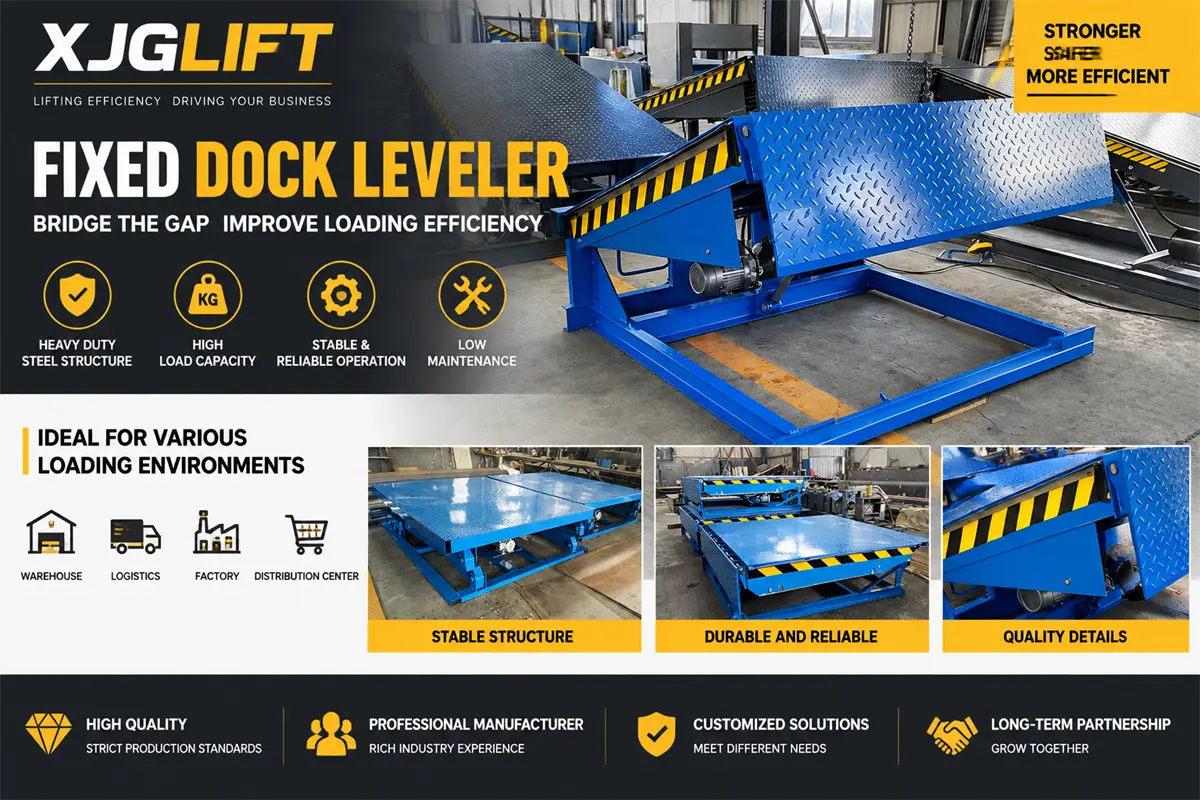
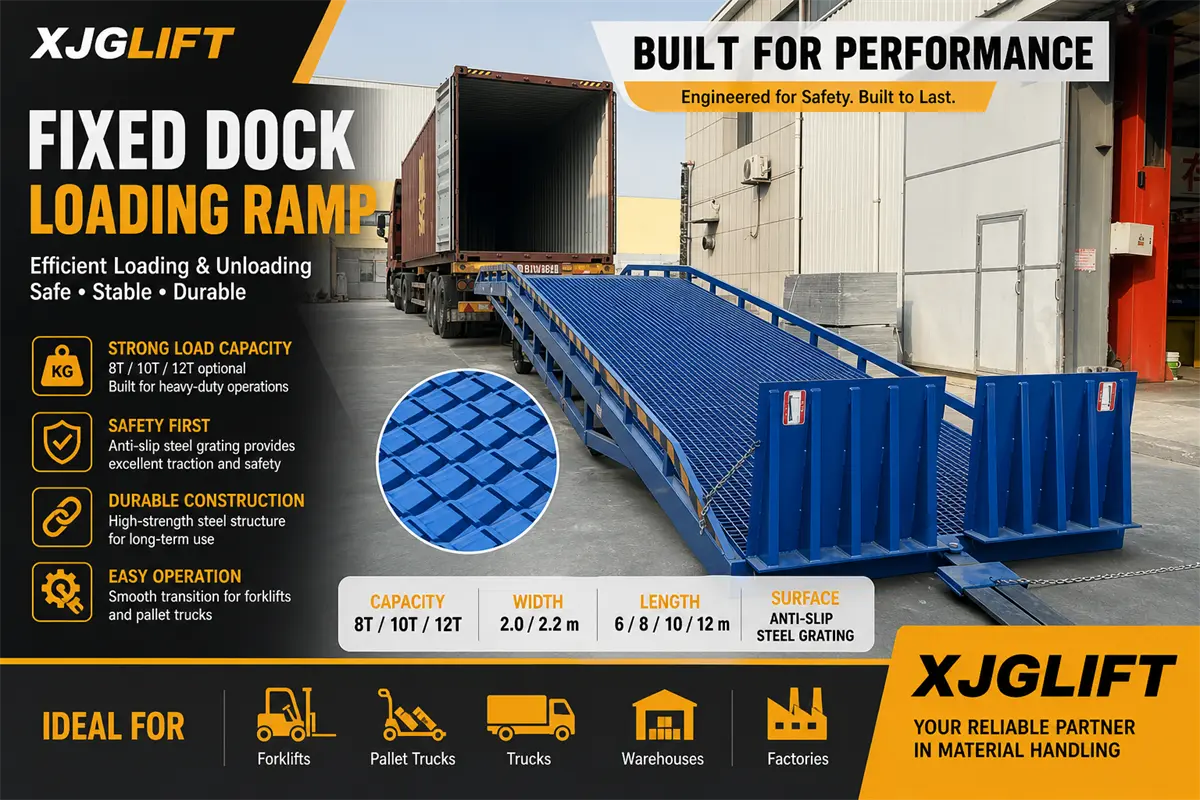
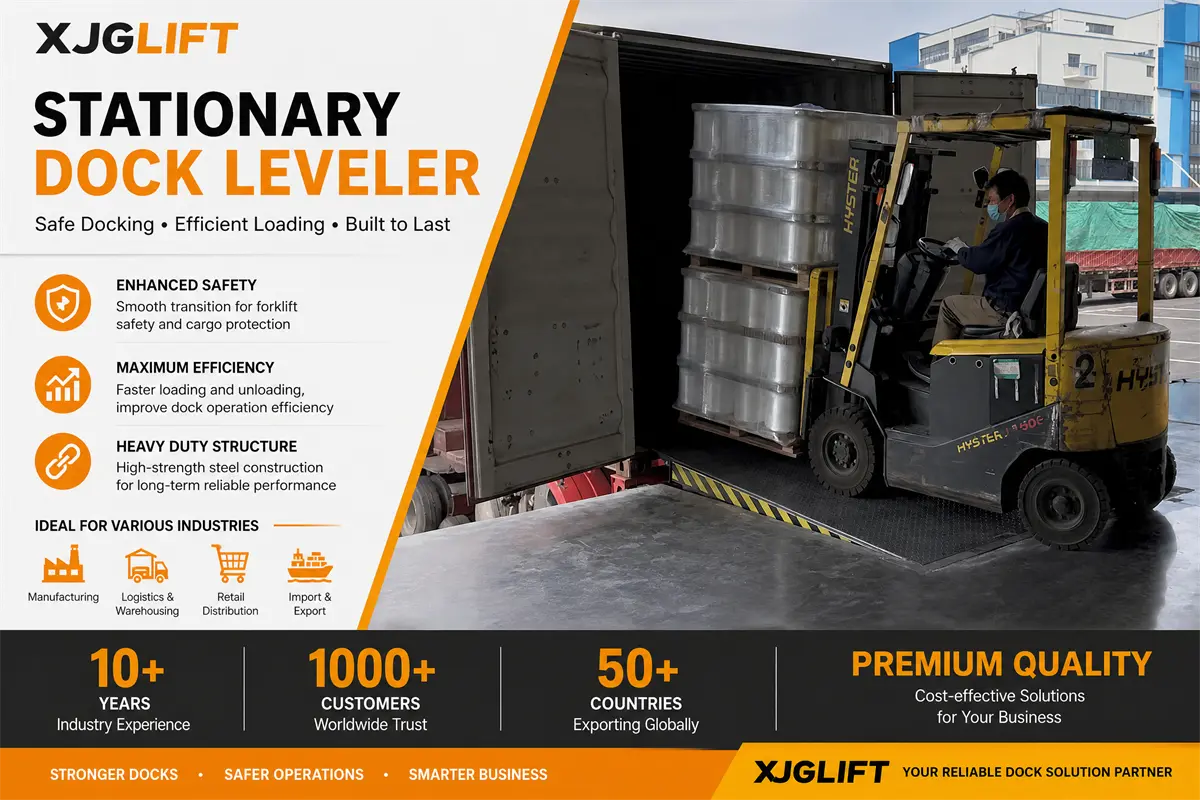
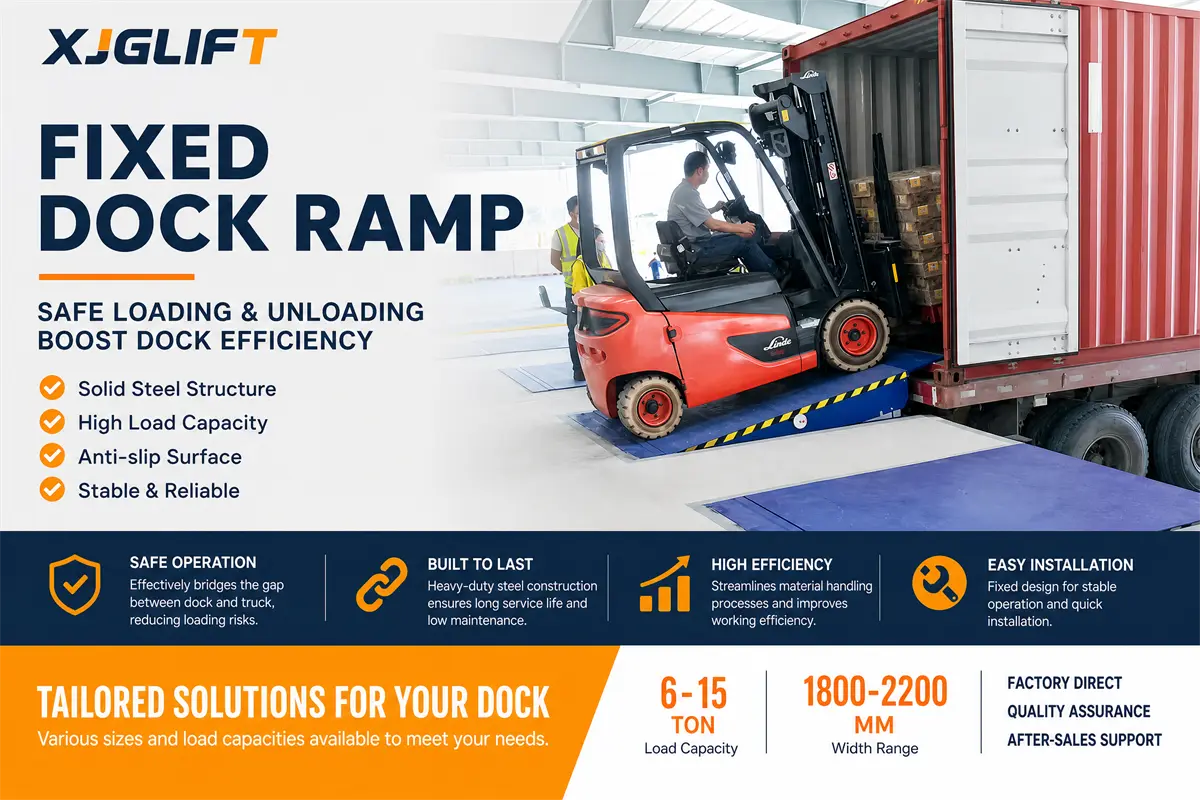
Fixed Scissor Lifts
Fixed scissor lifts are permanently installed and commonly used for cargo handling, warehouse loading, and production line operations.
Mobile Scissor Lifts
Mobile models can be manually pushed or towed to different work locations.
These lifts are suitable for maintenance and temporary access applications.
Self-Propelled Scissor Lifts
Self-propelled scissor lifts feature onboard drive systems that allow operators to move the machine without lowering the platform.
They are among the most popular aerial work platforms in modern construction and maintenance projects.
Rough Terrain Scissor Lifts
Designed for outdoor use, rough terrain models feature:
- Large off-road tires
- Four-wheel drive systems
- Increased ground clearance
These machines perform well on uneven and challenging job sites.
Electric vs. Diesel Scissor Lifts
Electric Scissor Lifts
Electric models are powered by rechargeable batteries.
Advantages include:
- Zero emissions
- Low noise levels
- Minimal maintenance
- Ideal for indoor applications
Diesel Scissor Lifts
Diesel-powered lifts offer:
- Higher power output
- Greater outdoor performance
- Ability to handle rough terrain
- Longer operating times
These models are commonly used on construction sites and industrial projects.
Common Working Heights
Scissor lifts are available in a wide range of platform heights.
Popular models typically provide working heights between:
- 6 meters (20 feet)
- 8 meters (26 feet)
- 10 meters (33 feet)
- 12 meters (40 feet)
- 14 meters (46 feet)
- 16 meters (52 feet)
- 18 meters (59 feet)
Higher-capacity models are available for specialized applications.
Why Choose a Scissor Lift?
Scissor lifts are a preferred solution for elevated work because they offer:
- Safe vertical access
- Large working platforms
- High lifting capacities
- Stable operation
- Efficient productivity
- Versatile indoor and outdoor use
These advantages make scissor lifts one of the most widely used aerial work platforms worldwide.
Conclusion
A scissor lift is a versatile aerial work platform that uses a crossed-arm lifting mechanism to raise personnel and materials safely to elevated work areas. With strong stability, high load capacity, spacious platforms, and multiple power options, scissor lifts are essential equipment for construction, maintenance, warehousing, and industrial operations.
Whether you need an electric scissor lift for indoor maintenance or a rough terrain scissor lift for outdoor construction, choosing the right model can significantly improve workplace safety and productivity.