Loading Dock Near Me: Find Local Equipment Suppliers
A search for “loading dock near me” usually means one of two things: a warehouse needs new dock equipment installed, or existing equipment has failed and needs to be repaired or replaced. In both cases, the search makes sense. Dock levelers, lifts, seals, and restraints are installed against a specific pit, door opening, or driveway condition. A supplier in your area can look at the actual site, take measurements, and confirm what will work before you commit to a purchase.
This article explains how local loading dock equipment suppliers operate, what to check before contacting one, and how to compare quotes fairly.
Why Local Suppliers Matter for Loading Dock Equipment
Dock equipment is site-specific. A dock leveler has to fit the pit. A dock lift must match the pit depth, driveway grade, and door clearance. A seal or shelter has to line up with the trailers your fleet actually uses. None of these conditions is visible from a phone conversation or a catalog specification sheet. When the supplier is local, they can visit your building, verify concrete thickness, measure the opening, and identify obstructions that an online quote would miss.
Service response is the second major reason. Dock equipment runs under hard use. Leveler decks see fork truck traffic all day, seals get scraped by trailer edges, and restraints and interlocks get knocked out of adjustment. When something stops working, downtime translates into delayed shipments and trucks waiting at the door. A supplier with a local service department and common parts stocked on the truck can often have a dock back in operation the same day. That level of support is difficult to get from a company with no local presence.
Shipping cost is another factor. Dock equipment is heavy and bulky. Freight for a large leveler or lift can be a meaningful part of the total price, especially for facilities in less accessible industrial areas. Buying from a nearby supplier reduces freight expense and lowers the risk of transit damage. For the additional work around an install — concrete patching, electrical connection, removal of old equipment — a local crew is easier to schedule and mobilizes at lower cost.
Local suppliers also tend to know regional requirements: building codes, fire department rules, and inspection practices that vary from city to city. That knowledge matters when an installation has to pass inspection or when a retrofit must work within existing site constraints.
What Loading Dock Equipment Local Suppliers Provide
Most full-line suppliers carry the standard categories of dock equipment:
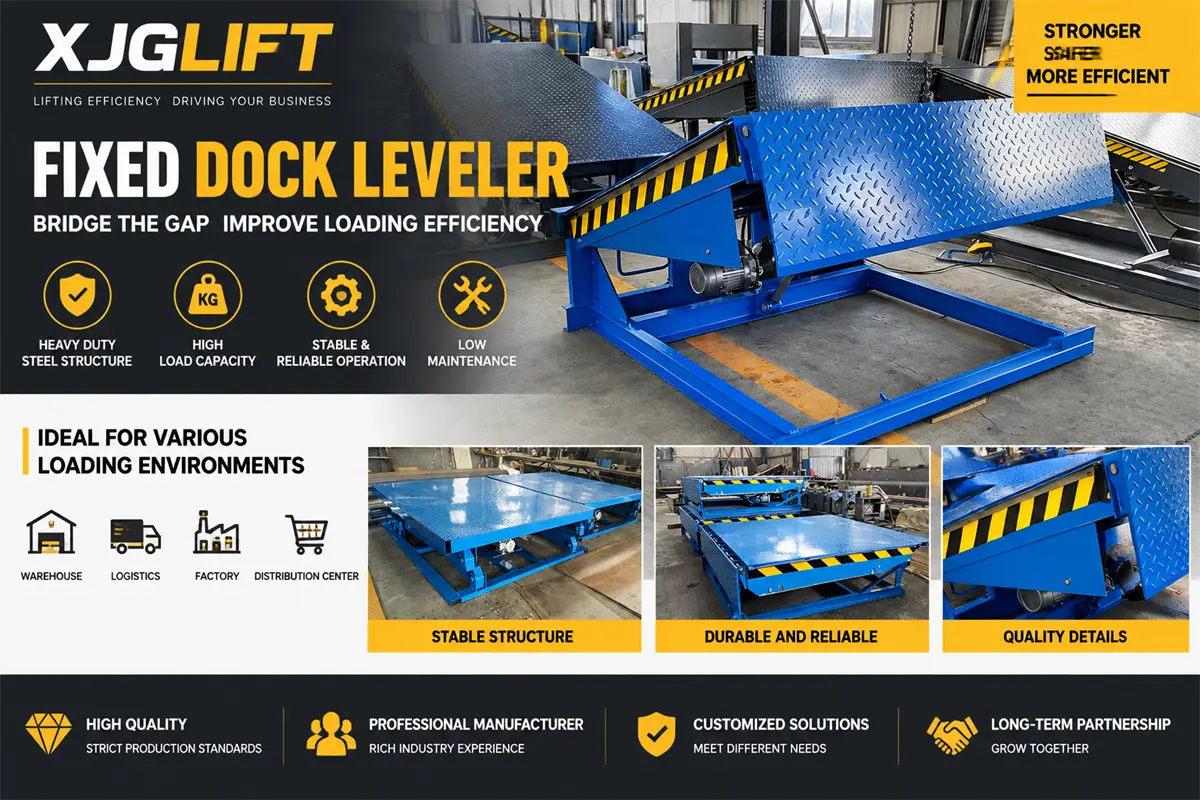
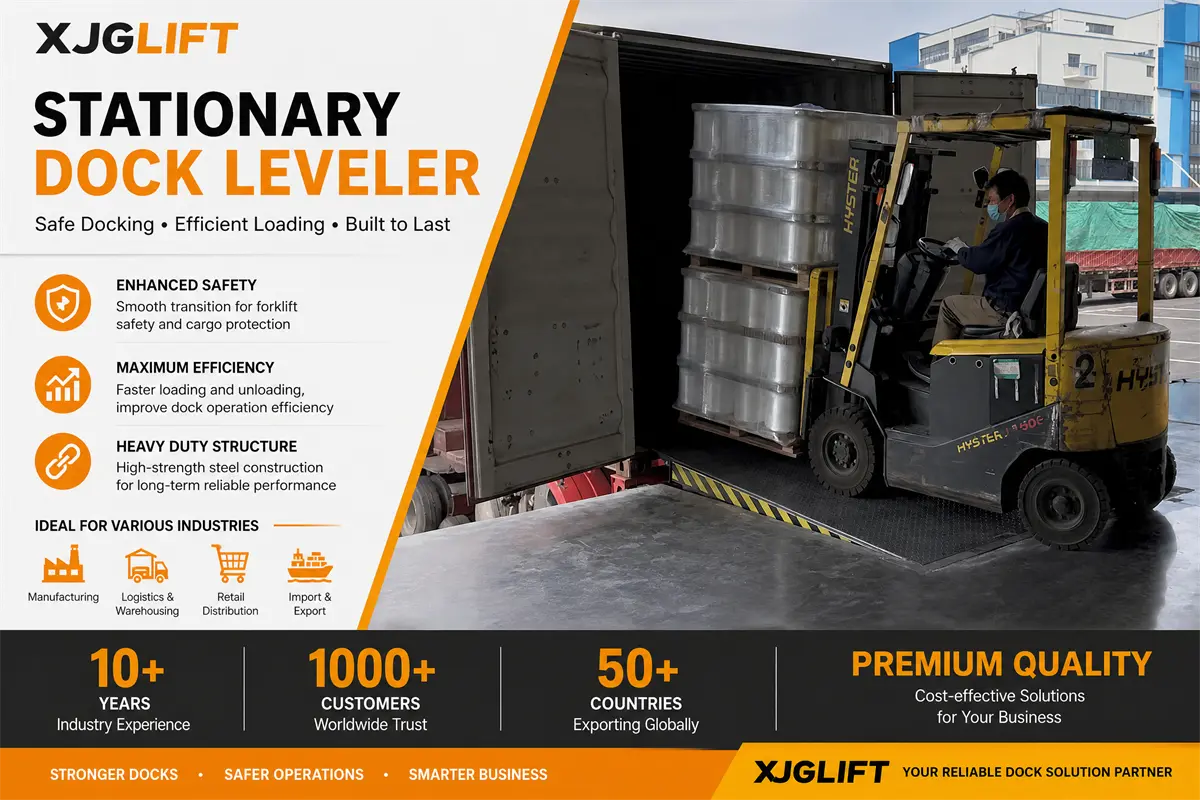
- Dock levelers — mechanical, hydraulic, and air-powered models for different traffic levels and pit configurations.
- Dock lifts — above-ground or recessed units for buildings where a leveler pit is not available.
- Dock seals and shelters — fabric and frame systems that close the gap between the trailer and the building.
- Vehicle restraints — devices that lock a trailer to the dock to prevent premature departure.
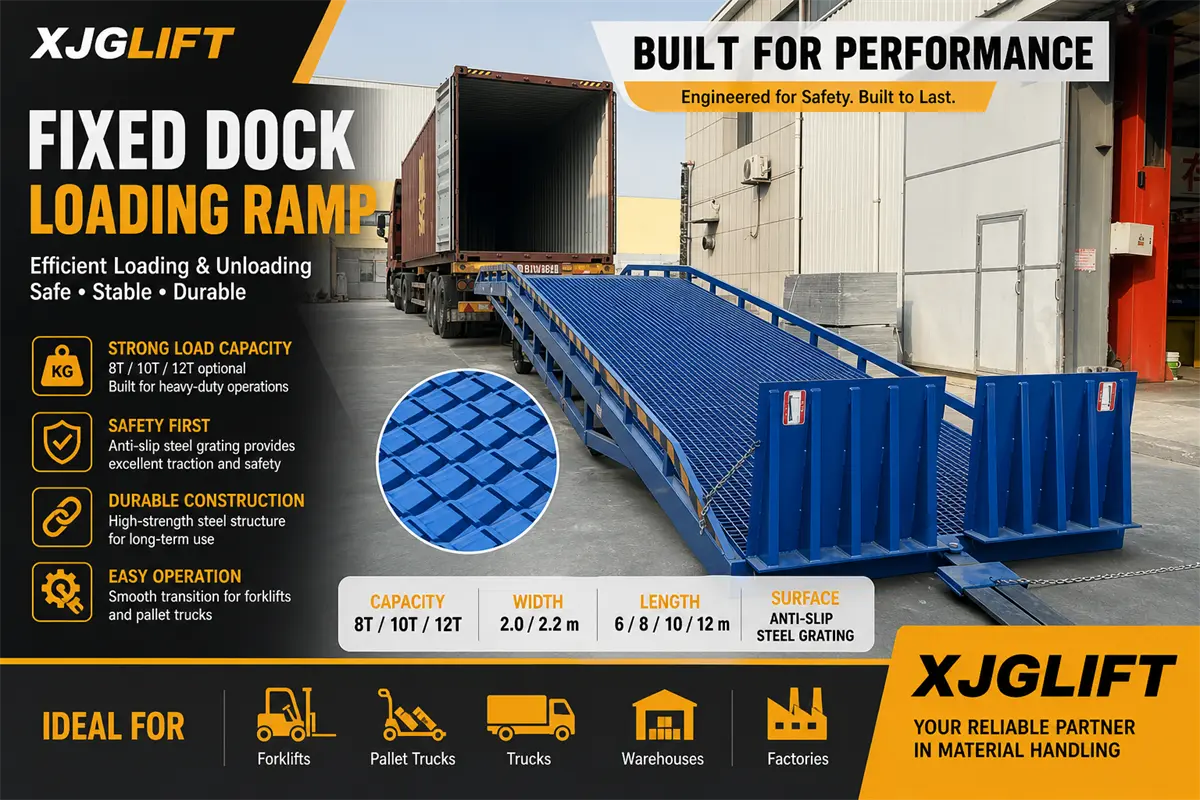
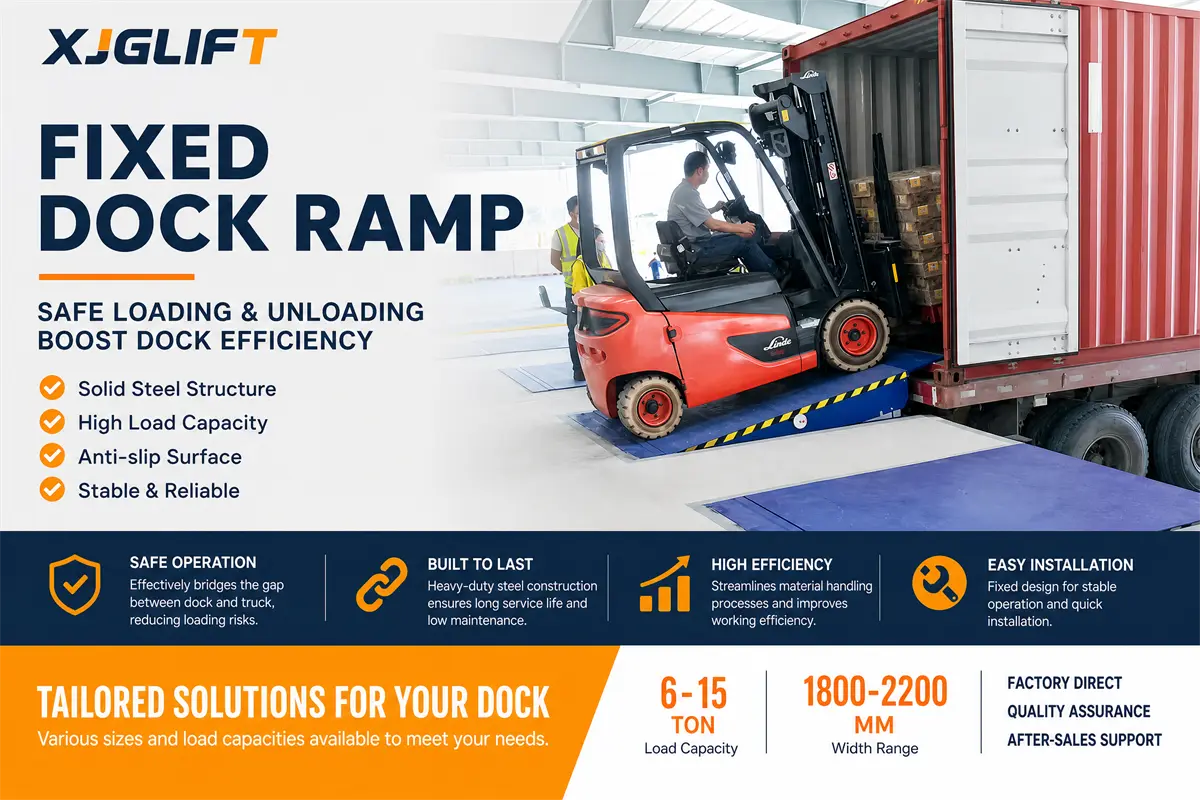
- Dock plates and boards — portable bridging for light-duty loading at floor-level openings.
- Dock accessories — bumpers, wheel chocks, dock lights, safety gates, maintenance stands, and traffic control systems.
Some suppliers stock all of these; others specialize in one or two lines. Not every supplier carries every brand. Part of the selection process is confirming that the supplier can provide the specific type of equipment your dock requires, and not just the nearest substitute.
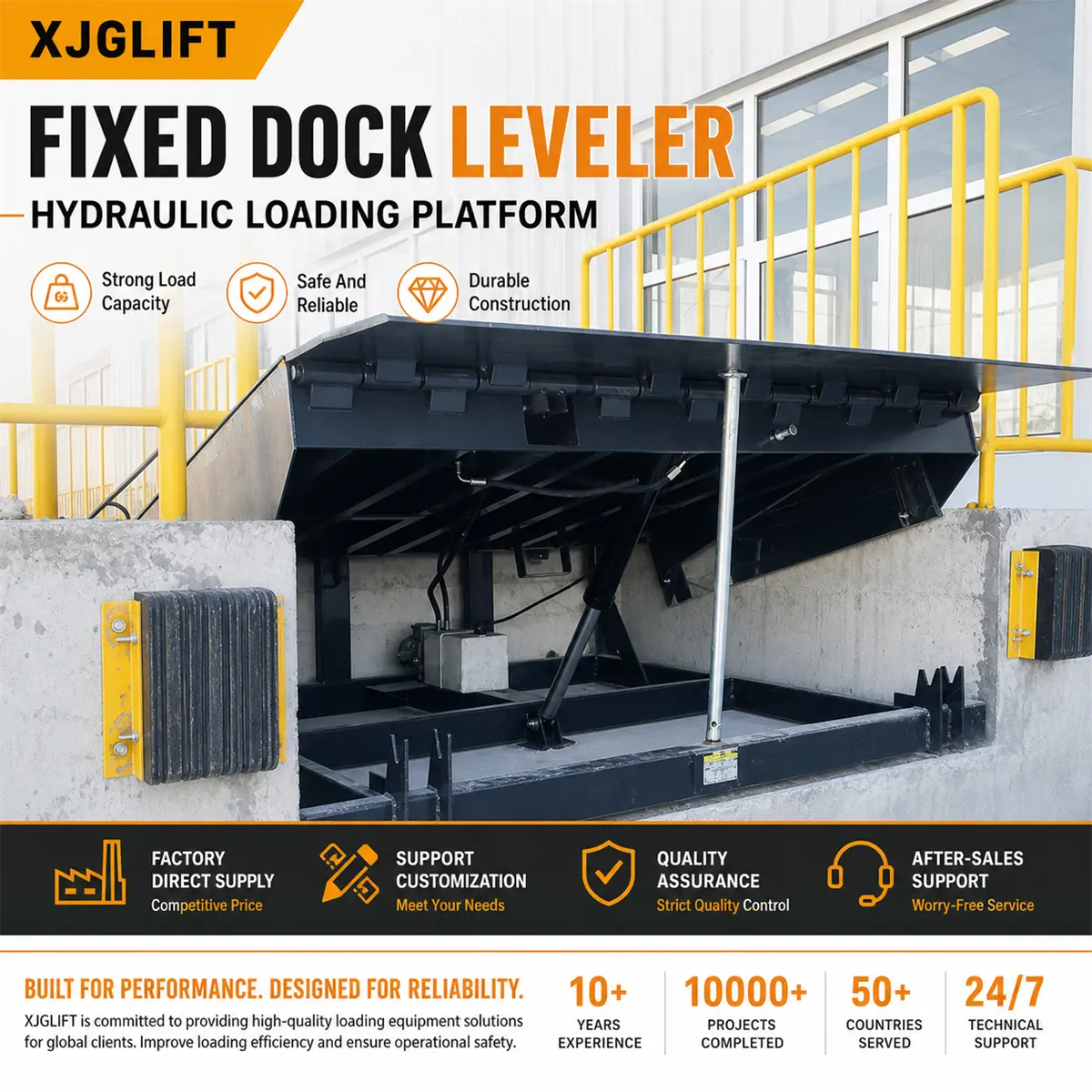
Types of Loading Dock Equipment Suppliers
Direct Manufacturers
These companies design and build the equipment. Some sell directly to end users; others work through regional dealers. Direct purchasing can make sense for large accounts or custom fabrication, but the manufacturer may not have installation and service staff located close to your facility.
Authorized Distributors and Dealers
Distributors represent one or more manufacturers and are typically responsible for a defined territory. They stock parts, provide installation, and handle warranty claims with the factory. For a single warehouse or a mid-size operation, an authorized dealer is often the most practical route: you get brand-standard equipment with local support attached.
Independent Service and Installation Firms
Some companies install and service equipment from several brands without being factory-authorized. They can be a good option for repair work, retrofit projects, and preventive maintenance contracts. Confirm which brands they can actually source and whether the manufacturer’s warranty stays valid when a non-authorized firm performs the installation.
Used and Surplus Equipment Dealers
Used dock equipment exists, but inventory and condition vary widely. A used leveler or lift can fit a tight budget project, but you should verify load ratings, safety features, and compliance with current standards before accepting the unit. Ask for documentation and check whether replacement parts are still available from the original manufacturer.
What to Prepare Before Contacting a Supplier
A supplier can give you a much more accurate answer on the first call if you have the following information ready:
- Pit dimensions — length, width, and depth, for leveler replacement or installation.
- Dock height and driveway grade — the height of the dock floor and the slope of the approach area.
- Door opening width and height — the size of the opening the equipment must fit.
- Load capacity — the combined weight of your heaviest fork truck and the load it carries.
- Frequency of use — number of docks, shifts, and average loading cycles per day.
- Trailer types — standard 48-foot or 53-foot trailers, lift-gate trailers, or container chassis.
- Power availability — voltage, phase, and location of electrical supply for hydraulic or air-powered equipment.
- Existing equipment details — for replacement projects, the brand, model, age, and condition of the units being removed.
- Safety requirements — whether you need vehicle restraints, interlock systems, traffic lights, or fall protection.
- Timeline — the project deadline and how long the dock can be out of service during installation.
Not every project needs all of these details, but providing them up front saves the back-and-forth that slows down quoting.
How to Evaluate a Local Loading Dock Supplier
Site Survey Capability
A supplier that offers a site survey is worth prioritizing. The survey confirms pit size, concrete condition, overhead clearance, and equipment access. If a supplier is willing to quote without a visit, ask what assumptions they are making and get those assumptions in writing.
Installation Crew
Ask whether installation is handled by an in-house crew or subcontracted out. In-house crews tend to be more accountable for schedule and workmanship. Also confirm who handles concrete repair, electrical hookup, and disposal of old equipment, since these tasks are frequently a source of unexpected cost.
Service Department and Parts Inventory
Check whether the supplier keeps replacement parts in local stock and has technicians available for emergency calls. If every part must be shipped from a factory warehouse, your downtime will be longer than necessary.
Safety and Standards Knowledge
Equipment sold in the U.S. is generally expected to meet applicable OSHA requirements and ANSI/ASME standards. The supplier should be able to explain which standards apply to their equipment and how restraints, interlocks, and fall protection work as a system on your dock.
References and Track Record
Ask for recent installation references from facilities similar to yours. A warehouse with comparable traffic and equipment is the most useful reference. If the supplier hesitates to provide any references, treat that as a warning sign.
Insurance
Confirm that the supplier carries general liability and worker’s compensation insurance for installation work. This protects you if an accident occurs on your property.
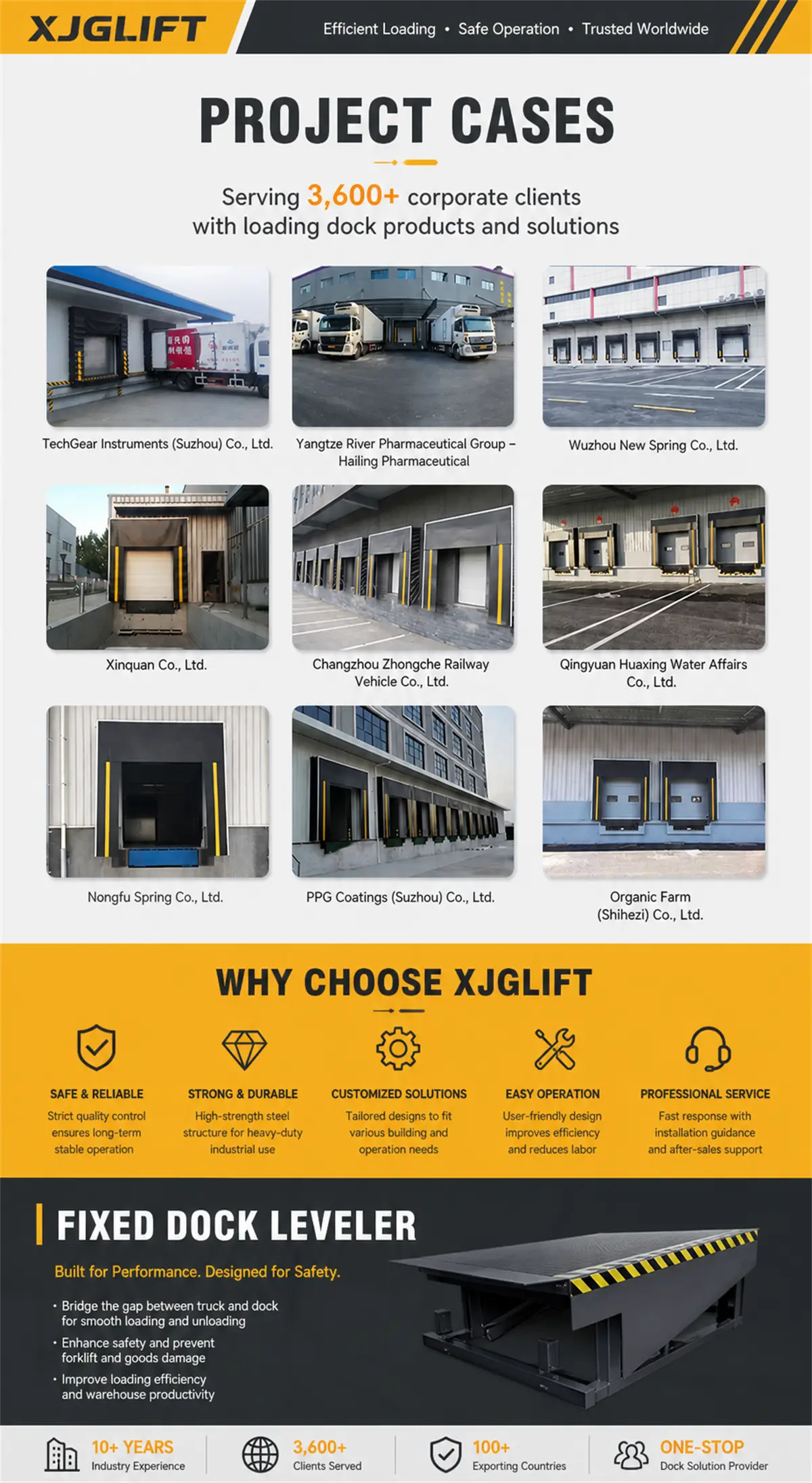
Questions to Ask Before You Purchase
- Do you offer a written site survey before providing a quote?
- Which brands do you sell, and are you an authorized dealer for those brands?
- Will your own crew perform the installation?
- What is your typical response time for emergency service calls?
- Do you stock replacement parts for the equipment you install?
- Can you provide references from facilities similar to ours?
- What safety standards and certifications does the equipment meet?
- What exactly does the warranty cover — parts, labor, travel, or all three?
- Do you offer preventive maintenance agreements?
- What is the lead time from order confirmation to completed installation?
These questions are simple, but the answers separate suppliers who handle the full scope of a project from those who only move equipment.
How to Read a Loading Dock Equipment Quote
Quotes vary for legitimate reasons. The equipment itself — capacity, size, power type, and options — accounts for the largest part of the price. A hydraulic leveler costs more than a mechanical unit of the same capacity, and heavy-duty models with larger decks cost more than standard units. Depending on the model and the manufacturer, options such as wider lips, insulated deck plates, or special finishes add to the total.
Installation conditions matter just as much. A standard pit makes installation straightforward. A pit that is damaged, non-standard, or filled with debris requires additional work. Site access affects how equipment is delivered and positioned, sometimes requiring a crane or lift-gate truck. Hydraulic equipment needs electrical service; air-powered equipment needs a compressed-air line. These site-specific factors change the final price.
When comparing quotes, look at what is included. Removal of old equipment, disposal, concrete patching, anchor bolts, electrical connections, commissioning, and operator training are sometimes bundled and sometimes listed as extras. Ask each supplier to itemize the quote so you can compare apples to apples.
A telephone quote or an automated online price generated without a site visit should be treated as preliminary. The firm number depends on actual site conditions and the options you select.
Local Supplier or National Manufacturer: Working With Both
The choice between a local supplier and a national manufacturer is not strictly either/or. Many warehouses buy from an authorized local dealer that represents a well-known national brand. That arrangement delivers brand-standard equipment with local installation and service support.
Buying directly from a manufacturer makes more sense for large fleets or multi-site operations that need consistent equipment across several buildings and can negotiate volume pricing. Even then, the manufacturer typically routes installation and service through local approved providers.
For a single warehouse or a site with urgent equipment problems, the local path is usually faster and simpler.
Red Flags When Selecting a Supplier
Some warning signs are worth taking seriously:
- The supplier avoids a site visit and insists on quoting from a phone description alone.
- The supplier cannot name the actual manufacturer of the equipment they sell.
- The quote is dramatically lower than others, with no explanation of what is excluded.
- The supplier cannot provide verifiable references for commercial dock work.
- The supplier is vague about safety standards, load ratings, or certifications.
- Full payment is requested before delivery or installation.
None of these alone proves a supplier is unreliable, but several together justify additional caution.
FAQ
How can I find loading dock equipment suppliers near me?
Search using your city or region, for example “loading dock equipment supplier [city]” or “dock leveler installation [state].” You can also contact the equipment brands you prefer and ask for the authorized dealers in your area. Industry directories and trade associations are additional sources for reputable local names.
Do I really need a site visit before getting a dock equipment quote?
For levelers, lifts, seals, and restraints, yes. Equipment must match pit dimensions, dock height, driveway grade, and available power. A quote issued without measuring the site involves assumptions that can lead to an incorrect order or an installation that does not fit.
What happens during a site survey?
The supplier measures the pit or opening, checks the condition of the concrete, confirms door clearance and driveway slope, and reviews access for delivery equipment. They also verify electrical or pneumatic supply and note any obstructions. After the survey, the supplier can issue a firm quote with installation scope attached.
Can a local supplier repair my existing dock leveler?
Most local suppliers with a service department can repair common brands. Have the equipment’s brand, model, and age ready when you call, and confirm up front that the necessary replacement parts can be sourced. For older or discontinued models, parts availability may decide whether a repair is practical.
Are used dock levelers and lifts worth considering?
Used equipment can work for cost-sensitive projects, but it must be inspected, load-rated, and compliant with current safety standards. Ask for documentation of the unit’s history, verify that replacement parts are available, and check whether the manufacturer will support a non-factory refurbished unit. Confirm all of this before paying a deposit.
Conclusion
Finding a local loading dock equipment supplier is about more than proximity. The real value of a nearby source is the ability to survey the site, install the equipment correctly, stock parts, and respond fast when a dock goes down. Before you start calling, compile the basic facts about your dock: pit dimensions, capacity requirements, trailer types, and power supply. Then ask each supplier for a site visit and an itemized quote. Compare the full scope — equipment, installation, connections, warranty, and service response — rather than the equipment price alone.